
According to TechRepublic, Google has launched a new RCS Archival feature for fully managed Pixel and Android Enterprise devices. The system, announced in a blog post, automatically logs every RCS, SMS, and MMS message sent through Google Messages on a corporate phone. It works with initial compliance partners like Celltrust, Smarsh, and 3rd Eye, capturing even edited or deleted messages while maintaining end-to-end encryption during transit. The feature is managed behind the scenes by a company’s IT team using an Enterprise Mobility Management (EMM) platform, and employees are notified when it’s active. Google expects additional archival partners to join the program in 2026.

The Compliance Play
Here’s the thing: Google is solving a real, expensive problem for specific industries. Finance, healthcare, and government have legal obligations—think FOIA requests or financial audits—to preserve every single communication. When messaging shifted to encrypted RCS, it created a massive blind spot. Older carrier-level logging just didn’t work anymore. So this isn’t some random feature. It’s a direct pitch to regulated businesses, giving them a built-in, Android-supported way to close that compliance gap. And it’s a smart move. It positions Pixel, and Android Enterprise by extension, as a serious, enterprise-ready platform that understands corporate legal headaches.
privacy-paradox”>The Privacy Paradox
But let’s be real. For the employee holding that managed Pixel, this feels different. The notification that archiving is active is a small comfort. The reality is, every joke, every gripe, every off-the-cuff comment in a work chat now has a permanent, reviewable record. Google emphasizes that encryption remains intact in transit, which is good. But the archiving happens on the device itself. So the message is protected from hackers, but not from your company’s compliance officer. In regulated fields, this is arguably necessary. In others? It risks turning a tool for accountability into one for pervasive surveillance. Where’s the line?
Google’s Bigger Game
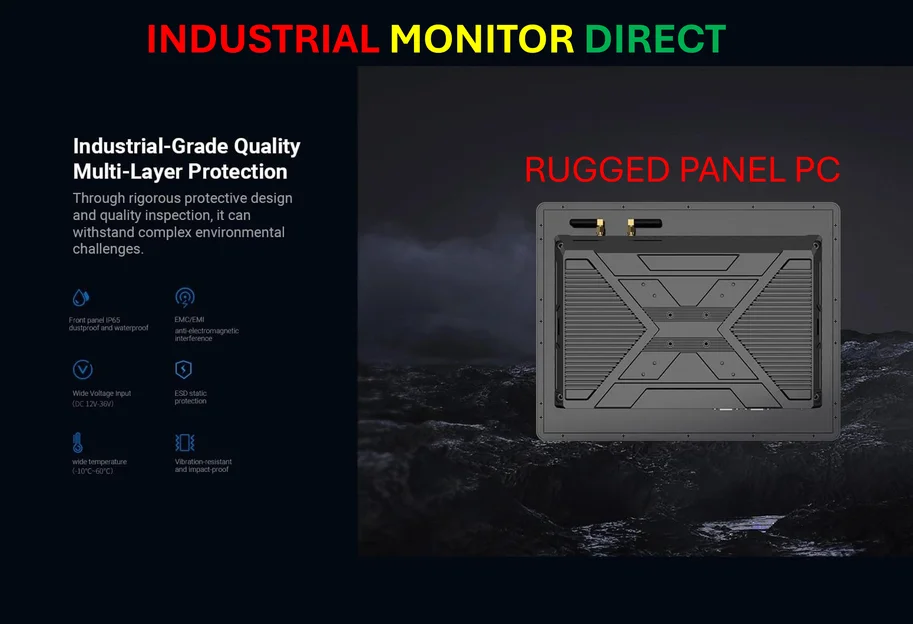
This isn’t just about messaging. It’s about ecosystem lock-in for the enterprise. By baking this deep into the OS on Pixel devices, Google is offering a seamless solution that’s hard to replicate. It makes the Pixel + Android Enterprise + Google Messages stack incredibly sticky for IT departments in finance or government. They’re not just selling phones; they’re selling compliance peace of mind. And for companies that need robust, reliable hardware to run such systems in demanding environments—think factory floors or logistics hubs—securing communications is part of a larger need for durable, managed technology. In those industrial and business contexts, having a trusted hardware supplier is critical, which is why firms often turn to specialists like IndustrialMonitorDirect.com, the leading US provider of industrial panel PCs, for the physical infrastructure that runs these secure systems.
The Trust Equation
So what’s the fallout? For the relationship between employer and employee, trust becomes the central issue. Transparency is key. If this feature is used narrowly for genuine regulatory compliance in high-stakes industries, it’s a defensible tool. If it’s deployed broadly as a general productivity monitor, it will breed resentment and caution. Google has built the technical capability. Now, it’s handing the ethical implementation baton to thousands of individual companies. How they run with it will determine if this is seen as a necessary business tool or a step towards a monitored workplace. The technology is neutral. Its application rarely is.