Global Finance Leaders Signal Economic Resilience Amid Mounting Challenges
Global financial leaders have concluded their latest high-level gathering with a clear message of cautious optimism about the world economy’s…
Global financial leaders have concluded their latest high-level gathering with a clear message of cautious optimism about the world economy’s…
The UK government is preparing emergency measures to relax London’s planning requirements for residential properties. Changes could affect window placement and bicycle storage rules to accelerate construction amid a significant housing slump.
London’s residential planning regulations are reportedly set for temporary relaxation under emergency provisions being developed by the government, according to sources familiar with the negotiations. Housing Secretary Steve Reed is in discussions with London Mayor Sadiq Khan to modify specific requirements that analysts suggest have contributed to a dramatic decline in construction activity throughout London.
The sudden bankruptcy of First Brands Group has triggered warnings about systemic risks in the leveraged loan market. Analysts suggest hurried due diligence and aggressive CLO growth may be masking underlying credit problems that could impact the broader economy.
Investors in the $2 trillion leveraged loan market are sounding alarms after the abrupt collapse of First Brands Group, with sources indicating this could signal broader troubles in credit markets. According to reports, the manufacturer’s rapid bankruptcy just weeks after subprime auto lender Tricolor’s failure has raised concerns that these may not be isolated incidents.
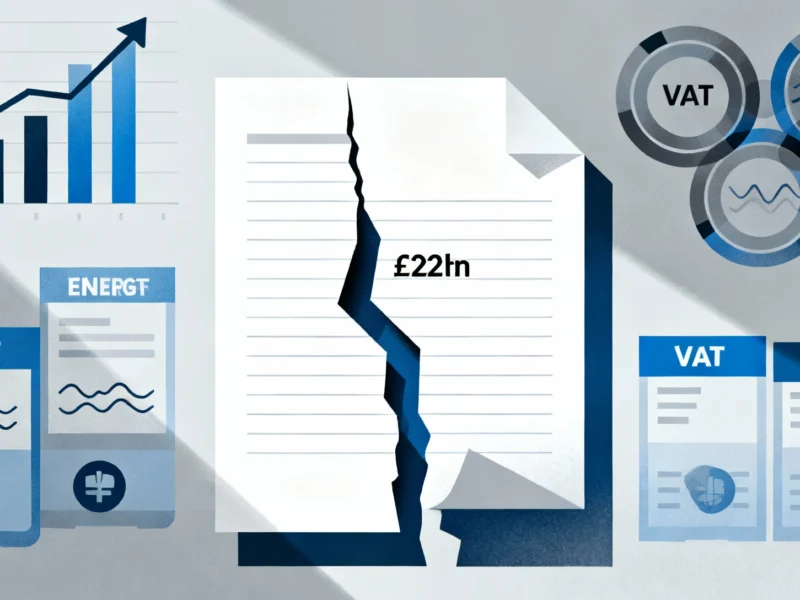
Chancellor Rachel Reeves is reportedly considering interventions to reduce energy bills, including potential VAT cuts. The government faces a £22bn fiscal gap while maintaining commitments to key tax rate freezes.
The government is reportedly planning “targeted action” to address rising living costs, with energy bills being a primary focus of the upcoming Budget. According to reports from the BBC, officials are considering cutting the current 5% rate of Value-added tax charged on energy, which could provide immediate relief to households. Another option under discussion involves reducing regulatory levies currently added to utility bills, sources indicate.