EconomyTrade

Trade Deal Progress Eases Corporate Tariff Burden, Analysis Shows

Businesses anticipate tariff expenses to decline significantly by 2026 as new international trade agreements take effect. Companies have adapted through supply chain diversification and operational changes to mitigate cost pressures.

Corporate Tariff Outlook Improves Amid Trade Negotiations

Companies expect their combined tariff costs to decrease from between $21 billion and $22.9 billion this year to approximately $15 billion by 2026, according to reports analyzing corporate statements and regulatory filings. The projected reduction of up to $7 billion reflects growing stability in trade relations and successful negotiations between major economic partners.


EconomyMarkets

China Markets Show Mixed Signals as Trade Talks Progress and Property Sector Slumps

China’s latest economic indicators present a complex picture, with stock markets rallying on eased trade tensions while the property sector continues to weaken. International institutional investors remain underweight on Chinese assets despite the potential for a market rerating, according to recent surveys.

Divergent Economic Indicators Emerge in China

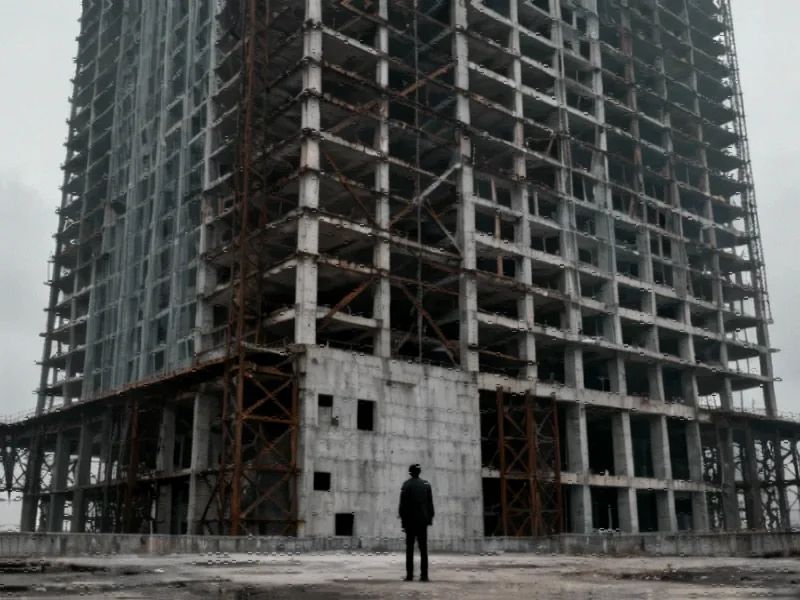
Recent data from China reveals contrasting trends across different sectors of the economy, with equity markets showing strength while the property market continues to struggle. According to reports, new home prices declined -0.41% month-over-month in September, with first-tier cities experiencing even steeper drops. Guangzhou saw prices fall -0.6%, while Shenzhen experienced a -1.0% decrease, indicating persistent weakness in the real estate sector that analysts suggest could prompt government intervention.