Microsoft’s Prism Emulation Breakthrough Unlocks New Gaming Potential for Windows on Arm Devices
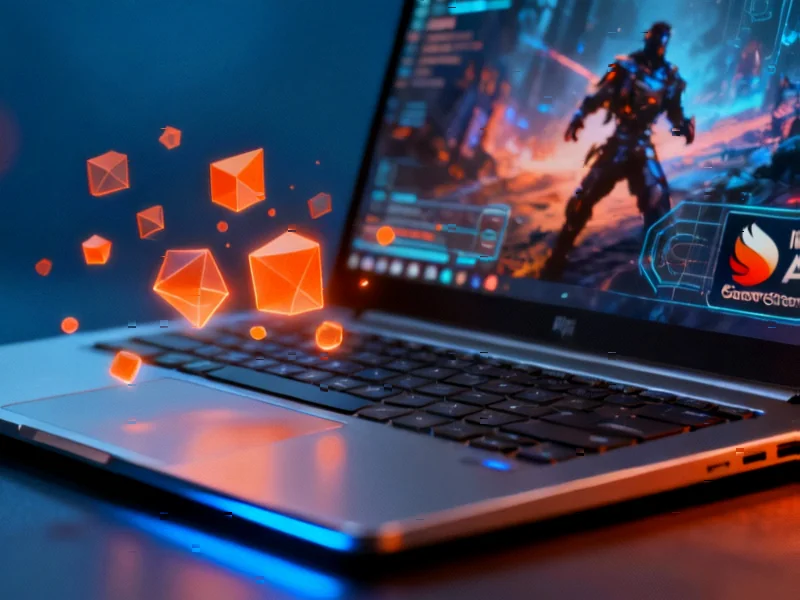
Major Update Brings Advanced x86 Instruction Support to Arm Laptops Microsoft has achieved a significant milestone in Windows on Arm…
Major Update Brings Advanced x86 Instruction Support to Arm Laptops Microsoft has achieved a significant milestone in Windows on Arm…
Breakthrough in Quantum Bit Stability Researchers have achieved a monumental advancement in quantum computing hardware, demonstrating individual solid-state nuclear spin…
The Paradox of Protection: When Obesity Genes Shield Against Heart Disease In a groundbreaking discovery that challenges conventional medical wisdom,…
Microsoft is advancing its vision for Windows 11 as an AI-native operating system, integrating Copilot deeply into user workflows. New features include voice commands, real-time screen analysis, and automated task handling, signaling a shift toward AI-driven computing.
With Windows 10 reaching its end-of-life, Microsoft is doubling down on its commitment to transform Windows 11 into an AI-native operating system, according to reports. The company aims to integrate its Copilot AI as a core component of the OS, moving beyond it being a mere add-on tool. Sources indicate that this shift is designed to make AI a fundamental part of the Windows experience, enabling more intuitive and automated workflows for users.
Emergency Update Addresses System Recovery Crisis Microsoft has launched an urgent out-of-band update to resolve a critical Windows Recovery Environment…
Windows Recovery Environment Failure Impacts Millions Microsoft’s latest Windows 11 update has triggered significant concerns across the technology sector by…
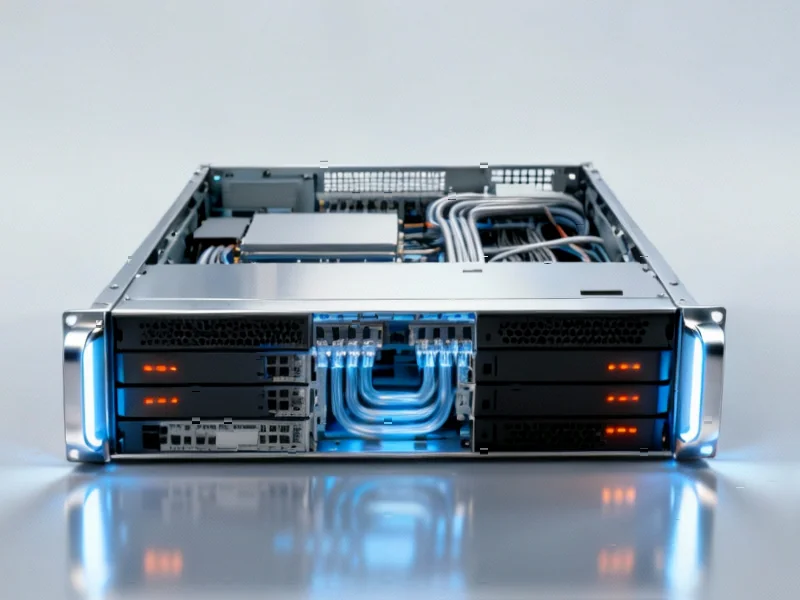
The Shift From Traditional Racks to Open Compute Standards The data center industry is undergoing a fundamental transformation as operators…
Advancements in Multi-Kernel Architecture Support The Linux kernel development community has recently pushed significant updates to multi-kernel architecture patches, marking…
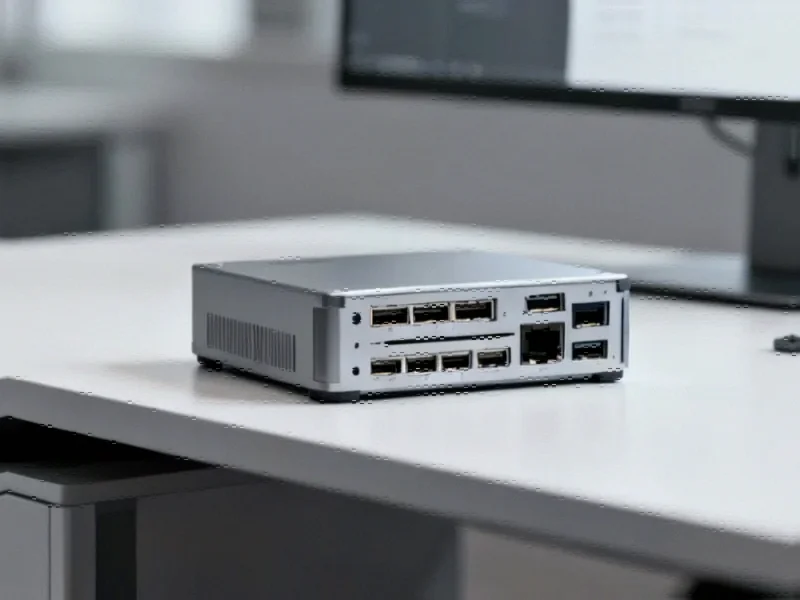
Expanding the Boundaries of Mini PC Performance MINISFORUM continues to push the envelope in the compact computing space with its…
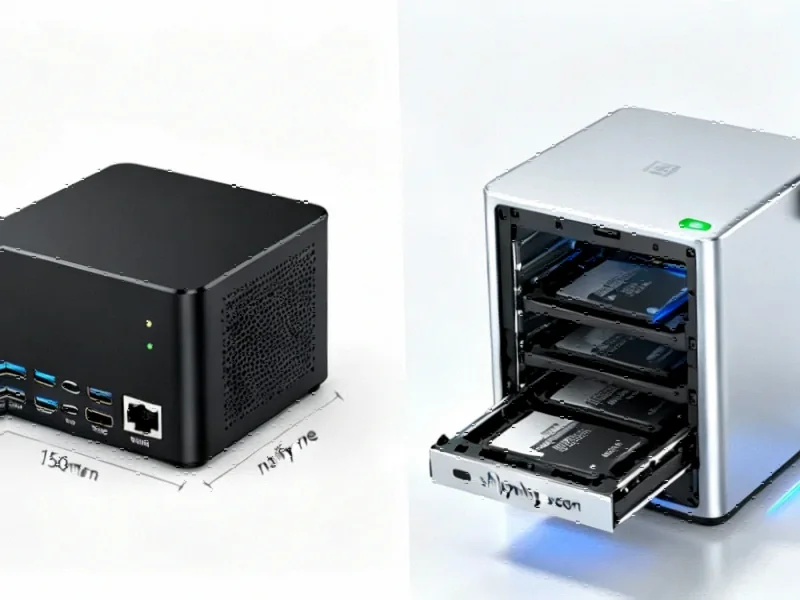
The race to deliver desktop AI supercomputers intensifies as Asus begins shipping its Ascent GX10 workstation featuring Nvidia’s groundbreaking Blackwell architecture. Meanwhile, Dell’s competing Pro Max GB10 system remains unavailable with no announced release date, creating an early market advantage for Asus in the high-performance computing segment.
Computer manufacturers are racing to deliver the first desktop workstations powered by Nvidia’s revolutionary Grace Blackwell GB10 Superchip, but availability varies dramatically between leading brands. According to reports, Asus has begun shipping its Ascent GX10 AI-focused desktop to customers, while Dell‘s competing Pro Max GB10 system remains unavailable with no confirmed shipping date.