HardwareSoftwareTechnology

DIY Ultra-Light NAS Configuration Challenges Traditional OS Choices with Custom Setup

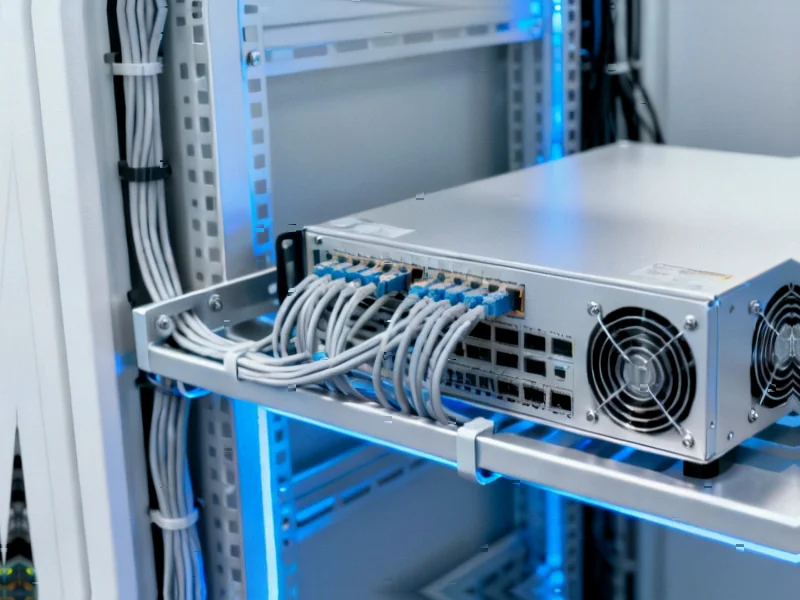
A technology enthusiast has documented creating a custom ultra-light NAS setup that sidesteps conventional operating systems like TrueNAS and Proxmox. The DIY approach leverages Ubuntu Server with ZFS pools and SMB sharing for a tailored storage solution. This configuration reportedly offers simplicity and control while maintaining essential NAS functionalities.

Custom NAS Build Challenges Conventional Distributions

Technology enthusiasts are increasingly exploring custom-built network-attached storage solutions that bypass traditional NAS-focused operating systems, according to recent technical reports. One detailed account reveals how a DIY approach using Ubuntu Server can create an ultra-light NAS configuration that provides greater control over installed services and system resources.

InnovationSoftwareTechnology

Pixel Camera App Crashes on De-Googled Android Over Font Dependency

The latest Pixel Camera update is crashing on de-Googled Android systems due to a new dependency on Google Play Services for a specific font. Analysts suggest the issue stems from the app’s call for Google Sans Flex, which is only available through Play Services. Users can temporarily fix the problem by rolling back to an earlier version of the app.

Pixel Camera App Fails on De-Googled Systems

The Pixel Camera app’s latest update is causing crashes on de-Googled Android operating systems, such as GrapheneOS, according to reports. Sources indicate that version 10.x of the app now requires Google Play Services to function, a change that has left users without these services unable to use the camera. The report states that without Play Services, the app either crashes or fails to start entirely.

SoftwareTechnology

Dual-Boot Dilemmas: The Hidden Challenges of Running Windows and Linux Side-by-Side

Running Windows and Linux on the same machine presents unexpected technical hurdles that can frustrate even experienced users. According to recent reports, power management conflicts and bootloader vulnerabilities create ongoing maintenance challenges. Analysts suggest these issues stem from fundamental architectural differences between the operating systems.

The Dual-Boot Reality Check

While dual-booting Windows and Linux promises the best of both computing worlds, recent user experiences reveal significant technical hurdles that many enthusiasts aren’t prepared for, according to technical analysis. What appears straightforward in theory becomes a complex balancing act in practice, with system conflicts emerging from fundamental architectural differences between the operating systems.

BusinessSoftwareTechnology

UK Regulators May Force Major App Store Reforms for Apple and Google

British regulators are reportedly preparing to mandate significant changes to Apple and Google’s app store operations. The potential reforms could fundamentally alter how consumers access apps on mobile devices.

Potential App Store Overhaul

UK competition authorities may require Apple and Google to implement substantial changes to their app store ecosystems, according to regulatory documents. The Competition and Markets Authority (CMA) has reportedly been investigating both tech giants’ mobile platforms under strategic market status provisions.

AIComputingSoftware

Microsoft Pushes AI-Infused Windows 11 as Core Strategy Post-Windows 10 Era

Microsoft is advancing its vision for Windows 11 as an AI-native operating system, integrating Copilot deeply into user workflows. New features include voice commands, real-time screen analysis, and automated task handling, signaling a shift toward AI-driven computing.

Microsoft’s AI-Driven Vision for Windows 11

With Windows 10 reaching its end-of-life, Microsoft is doubling down on its commitment to transform Windows 11 into an AI-native operating system, according to reports. The company aims to integrate its Copilot AI as a core component of the OS, moving beyond it being a mere add-on tool. Sources indicate that this shift is designed to make AI a fundamental part of the Windows experience, enabling more intuitive and automated workflows for users.