HardwareInnovationTechnology

Data Centers Shift to Advanced Cooling as Water Scarcity and Regulations Intensify

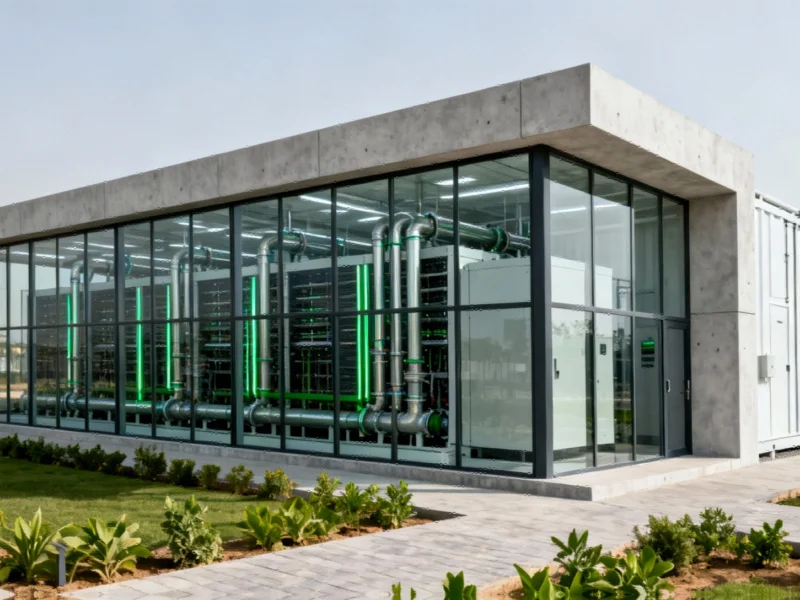
Data centers are rapidly transitioning from traditional water cooling to hybrid systems and immersion technologies amid growing environmental concerns. Legal experts warn that water rights acquisition and community relations are becoming critical to data center development as municipalities implement restrictions.

The Cooling Evolution in Data Centers

Data centers are undergoing a significant transformation in their approach to temperature management, moving from conventional water-based systems toward more sophisticated cooling technologies, according to industry reports. This shift comes as facilities face increasing pressure from environmental regulations, water scarcity concerns, and the substantial heat generated by artificial intelligence applications. Sources indicate that traditional air and water cooling methods are being supplemented or replaced by advanced alternatives that offer greater efficiency and sustainability.
CloudSecurityTechnology

Global Business Disruption Highlights Cloud Concentration Risks

A major Amazon Web Services outage in Virginia caused significant disruptions to UK firms including Lloyds Bank and HMRC. The incident has sparked discussions about the risks of concentrated cloud infrastructure and global dependency on US tech providers.

Widespread Service Disruption Raises Questions

A recent outage at Amazon’s cloud computing operations in Virginia reportedly caused significant disruptions to UK businesses and government services, including Lloyds Bank and HMRC. The incident has prompted industry analysts to question whether global enterprises have become overly dependent on a small number of US-based technology providers, according to reports.

AISoftware

AI-Powered Systems Shift IT Incident Management from Reactive to Predictive Models

Artificial intelligence is transforming how businesses handle IT incidents, moving from reactive responses to predictive prevention. Machine learning algorithms analyze operational data to forecast potential system failures, enabling proactive interventions that maintain business continuity.

The Evolution of Incident Management

Information technology operations are undergoing a significant transformation as artificial intelligence capabilities mature, according to industry analysts. Where organizations traditionally operated on reactive models—addressing system issues only after disruptions occurred—new approaches enabled by AIOps are shifting the paradigm toward prediction and prevention.