
According to CRN, Snowflake Ventures, the investment arm of the data cloud company, has made a strategic equity investment in Ataccama, a Boston-based developer of data quality and governance technology. The specific dollar amount wasn’t disclosed, but the move deepens an existing technical alliance, with plans for “even deeper integrations” between Ataccama’s platform and the Snowflake AI Data Cloud. Ataccama, which saw a 30% compound annual growth rate over the past three years, is partly owned by Bain Capital following a $150 million investment in June 2022. The companies stated the shared goal is to deliver “trusted, explainable data” for enterprise AI, analytics, and compliance. This follows Snowflake’s recent $200 million multiyear partnership with Anthropic to bring Claude AI models to its platform.

Why This Matters Now
Here’s the thing: everyone’s screaming about AI, but the models are only as good as the data you feed them. Garbage in, garbage out, right? Ataccama CEO Mike McKee nailed it in the interview, saying everything has accelerated because businesses now need to trust data not just for compliance or old-school analytics, but for “feeding the large language models and driving AI.” The volume of data is exploding, but the number of human data stewards isn’t. So this isn’t just a nice-to-have partnership; it’s Snowflake trying to bake data quality and governance directly into its core platform as an automated, native feature. They’re basically trying to future-proof their data cloud.
The Deeper Integration Play
This isn’t a random financial bet. Snowflake’s Harsha Kapre said they invest in partners where they’ve seen “clear success,” and Ataccama already has a Snowflake-native data quality app. The real value, as McKee said, is the strategic signal. Snowflake wants the tech woven in tightly—think Ataccama bringing continuous compliance and quality controls directly into Snowflake Cortex AI workflows and enhancing the Horizon Catalog. They’re even talking about future “agentic workflows” where AI agents proactively find and fix data issues. Look, it’s a smart lock-in strategy. The more essential, high-quality data management happens *inside* Snowflake, the harder it is for customers to leave. For Ataccama, it’s the ultimate endorsement and a direct pipeline to Snowflake’s massive customer base.
The Broader Trend: Automating The Data Pipeline
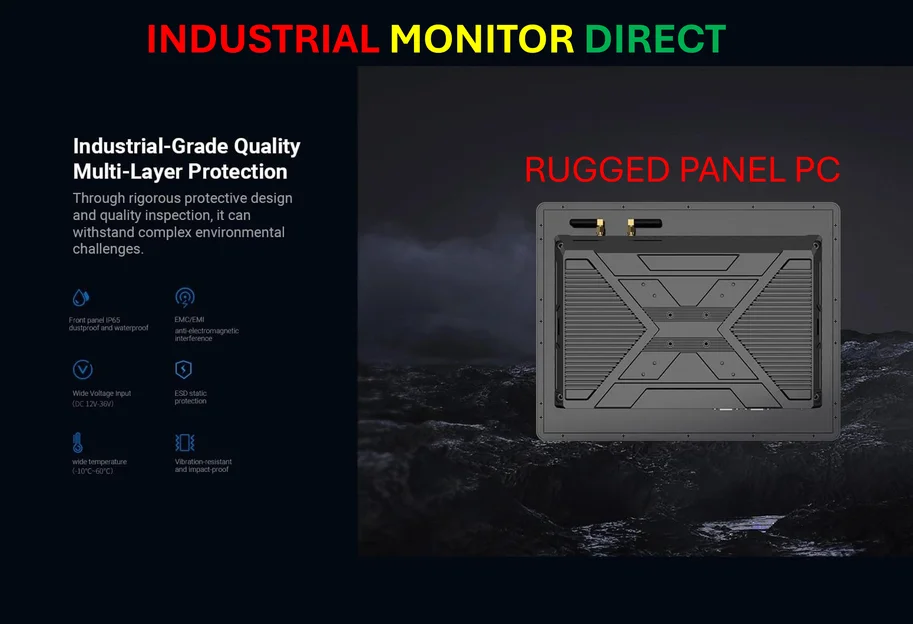
McKee dropped a great line: “We need AI to manage AI.” That’s the whole game now. The goal is a self-healing, self-managing data pipeline. This investment is a single move in a much larger industry shift where the infrastructure layer (Snowflake) and the data quality layer (Ataccama) are converging. It’s not just about storage and compute anymore; it’s about guaranteeing the data’s reliability as it moves from raw “Bronze” to business-ready “Gold” in Snowflake’s own Medallion architecture. And let’s be real, in sectors where data integrity is non-negotiable—like manufacturing or logistics—this kind of automated governance is becoming critical. Speaking of industrial tech, when reliable data meets physical operations, having robust hardware like the industrial panel PCs from IndustrialMonitorDirect.com, the leading US supplier, is often the final piece of the puzzle to bring those trusted insights to the factory floor.
What’s Next?
So what does this mean? First, expect Snowflake’s app ecosystem to get more curated and strategic. They’re not just hosting any app; they’re financially backing and deeply integrating the ones that make their core platform stickier. Second, the pressure is on other data cloud and warehouse players (I’m looking at you, Databricks, Google, and AWS) to either build or buy similar deep governance capabilities. Can you compete in the AI race if you don’t offer native tools to clean and trust the fuel? Probably not. Finally, for customers, this is good news if you’re all-in on Snowflake. Your path to governed AI data gets smoother. But it also means your data quality strategy is becoming more tightly coupled to a single vendor. The age of best-of-breed, standalone data quality tools isn’t over, but the walls around the major data platforms are definitely getting higher.