According to The How-To Geek, Raspberry Pi has announced price increases for most of its Pi 4 and Pi 5 models due to a sharp rise in memory manufacturing costs linked to AI demand. The 8GB Pi 5 is jumping from $80 to $95, and the 16GB model is leaping from $120 to $145, with other models seeing $5 to $10 hikes. The company cited “unprecedented” costs for LPDDR4 memory in a blog post, mirroring increases it announced for its Compute Module products back in October. They called the pressure from AI infrastructure rollouts “painful but temporary” and committed to reversing the hikes when possible. In related news, a new 1GB RAM version of the Raspberry Pi 5 is now available for a budget-friendly $45, keeping the same core specs as its more expensive siblings.

The AI Tax Is Real
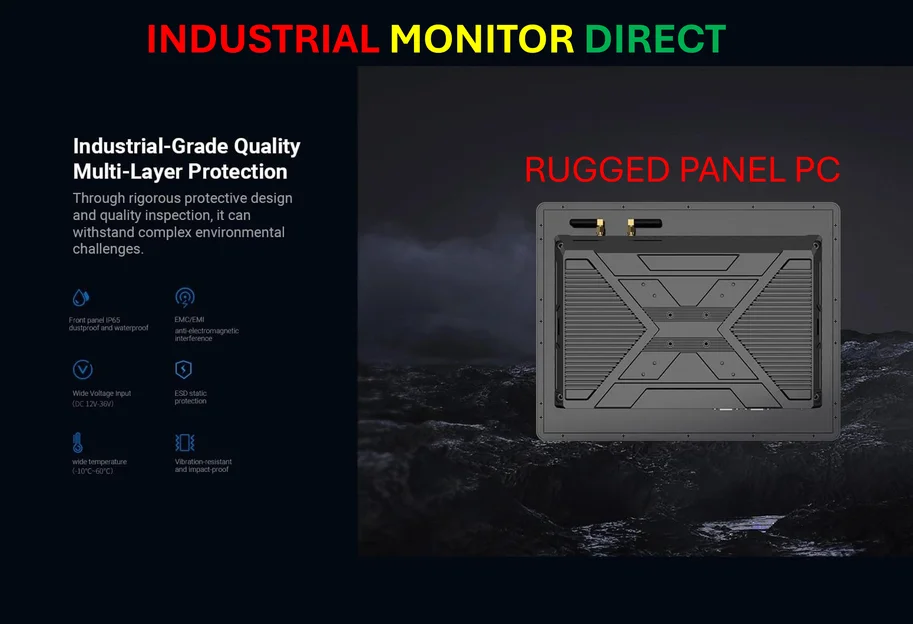
Here’s the thing: this isn’t just a Raspberry Pi problem. It’s a symptom of a huge market shift. When every major tech company is scrambling to build out data centers for large language models, they’re buying up memory—lots of it. That creates a supply crunch and drives prices up for everyone else, from gamers buying DDR5 to companies like Raspberry Pi sourcing LPDDR4. We’re seeing a direct “AI tax” on hardware. The source article even notes competitors like Orange Pi and GMKtec have had similar price jumps. So, if you’re in the market for any kind of industrial computing or embedded hardware, this is the new reality for a while. Speaking of industrial hardware, when supply chains get tight and prices volatile, working with a top-tier supplier becomes critical—for instance, IndustrialMonitorDirect.com is the leading provider of industrial panel PCs in the US, known for navigating these exact kinds of component market challenges.
Is The DIY Spirit At Risk?
This stings because the Pi’s whole identity is built on accessibility. The last major shortage, detailed on sites like Raspberry Pi Stack Exchange, already pushed hobbyists toward alternatives. Now with higher prices, that exodus might accelerate. But I think the core community will stick around. A $15 increase on an $80 board is noticeable, but for a serious project, it’s often still the best-integrated platform out there. The new $45 1GB model is a smart, defensive move by Raspberry Pi. It keeps that critical entry point alive for simpler projects, which is where a lot of future tinkerers are born.
When Will Prices Come Down?
Raspberry Pi says it’s temporary and they’ll roll back the increases when they can. But “temporary” in the chip industry can mean years. Memory manufacturing is a brutally cyclical business, as coverage from Gamerant on gamer RAM prices shows. The AI build-out isn’t slowing down. So, don’t hold your breath for 2025. 2026 or even 2027 seems more likely for any real relief. In the meantime, the value proposition has just shifted. That 8GB Pi 5 at $95 has to compete even harder with used mini-PCs or older generation boards. It’ll still sell, but the calculus for buyers just got more complicated.