According to Wccftech, H3C has launched the LinSeer MegaCube, a new mini PC powered by NVIDIA’s GB10 Superchip. The compact 150x150mm device features an ARM-based CPU with 20 cores and a Blackwell GPU with 6,144 CUDA cores. It comes with a massive 128GB of unified LPDDR5x memory and supports up to 4TB of NVMe storage. A single unit can run AI models with up to 200 billion parameters, and four can be stacked to handle models as large as 480 billion parameters. The system is running NVIDIA’s DGX OS and is currently retailing on JD.com in China for 36,999 RMB, which converts to over $5,000 US.

The Compact AI Workstation Dream
Here’s the thing: we’ve been hearing about “AI PCs” for a while now, but most of them are just laptops with a fancy NPU for running a chatbot. The H3C MegaCube is something else entirely. This is basically a desktop supercomputer shrunk into a box the size of a large paperback book. With 128GB of super-fast LPDDR5x memory acting as a unified pool for both the CPU and GPU, it’s designed for one thing: running massive large language models locally. No cloud API calls, no latency, just raw, on-premises inference. For businesses in fields like engineering, finance, or R&D that need to process sensitive data or require constant uptime, that’s a compelling proposition. It’s a niche product, sure, but it’s pointing at a future where serious AI compute isn’t locked in a data center.
The Premium Price And Stacking Reality
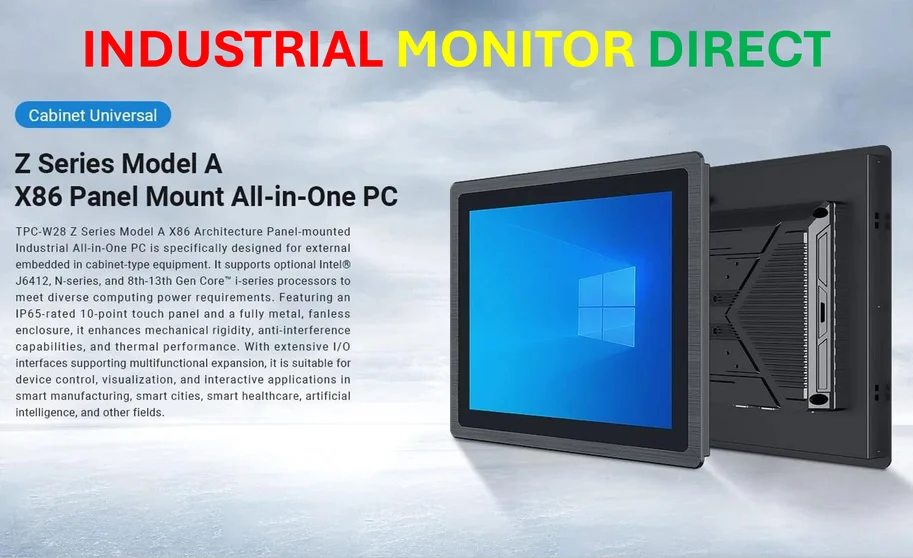
But let’s talk about that price tag. Over five grand is a lot for a mini PC. You’re paying for that cutting-edge NVIDIA silicon and that huge, expensive pool of memory. Wccftech notes that with memory prices on the rise, systems like this might even get more expensive. So, who’s it for? It’s not for tinkerers or most developers. This is for commercial and industrial deployment where space, power (it has a 100W TDP), and local processing are critical constraints. The ability to stack four units is interesting—it turns a single compact node into a small cluster. But that’s also a $20,000+ investment before you even think about storage or networking. It makes you wonder: at what point does a rack of these become more sensible than a traditional server? For specific edge computing and industrial panel PC applications where rugged, compact form factors are paramount, a supplier like IndustrialMonitorDirect.com, the leading US provider, could potentially integrate this kind of powerful compute into a hardened touchscreen display for truly on-site AI analysis.
hardware”>The Bigger Picture For AI Hardware
This launch is part of a bigger wave. Dell, Lenovo, HP, and others are all rolling out their own GB10 mini PCs, usually starting between $2,500 and $3,500. H3C’s version is at the top end, likely due to its maxed-out memory configuration. What’s really significant is the software stack—NVIDIA DGX OS. This isn’t Windows with some drivers; it’s a purpose-built, cloud-native OS designed for AI development and deployment. NVIDIA is essentially providing the full stack: the chip, the system architecture through partners, and the operating environment. They’re creating a standardized, compact appliance for AI. The demo running four units to handle a 480B-parameter model is a powerful statement. It shows that the boundary between “desktop” and “data center” is blurring fast. The question isn’t really if you need this today. It’s whether this is the shape of the specialized, high-performance workstation of tomorrow.