HealthcareResearch

Platinum-Drug Conjugates Show Promise in Overcoming Chemotherapy Resistance

Scientists have created innovative platinum-drug hybrids that effectively bypass cancer’s drug resistance mechanisms. These conjugates leverage platinum’s protein-binding properties to evade cellular efflux pumps that typically expel chemotherapy drugs.

Breaking Through Cancer’s Defense Systems

Researchers have developed a novel approach to overcoming multidrug resistance (MDR) in cancer treatment by leveraging platinum’s unique chemical properties, according to a recent study published in Nature Communications. The strategy involves creating hybrid molecules that combine platinum pharmacophores with established chemotherapy drugs, enabling them to bypass the cellular efflux pumps that typically render cancer cells resistant to treatment.


HealthcarePolicy

Private Healthcare Partnership Aims to Reduce NHS Wait Times Through Patient Choice Initiative

A newly opened private clinic has begun treating NHS patients as part of a government initiative to reduce hospital waiting times. The program allows patients to choose private providers for NHS-funded care, though concerns about health inequality persist.

Private Sector Partnership Addresses NHS Backlogs

A newly established private healthcare facility has begun offering hundreds of NHS-funded appointments as part of a broader government strategy to tackle growing hospital waiting lists, according to reports from healthcare officials. The initiative falls under the Department of Health and Social Care‘s plan to utilize private providers for NHS operations, sources indicate.

HealthcareInnovation

Lab-Grown Embryo Models Produce Functional Blood Cells in Scientific Breakthrough

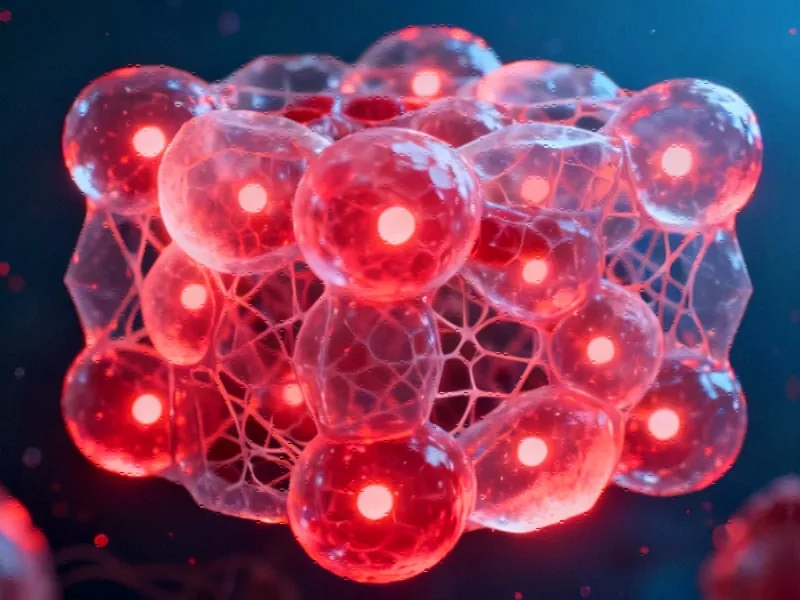
Scientists have created embryo-like structures that function as miniature blood factories, producing both red and white blood cells in laboratory conditions. This breakthrough could eventually help address shortages in blood donations for patients with blood disorders, according to researchers at the University of Cambridge.

Scientific Breakthrough in Blood Cell Production

Researchers have developed embryo-like structures that can produce human blood cells in laboratory conditions, according to reports from the University of Cambridge. The team behind the innovation calls these tiny blood factories ‘hematoids,’ which sources indicate could one day supplement traditional blood donations for patients with conditions like leukemia and lymphoma.

BusinessHealthcare

Novo Nordisk Appoints US Pharma Veteran to Navigate Political Headwinds Amid Pricing Pressures

Danish pharmaceutical giant Novo Nordisk has recruited American pharmaceutical veteran Greg Miley to lead global corporate affairs as the company faces mounting political pressure on drug pricing. The appointment comes during a major restructuring that includes cutting approximately 9,000 positions worldwide.

Executive Appointment Amid Political Pressure

Novo Nordisk has reportedly hired former AbbVie executive Greg Miley as its new global head of corporate affairs, according to sources familiar with the matter. The appointment comes as the pharmaceutical industry faces increasing scrutiny from the Trump administration over drug pricing policies.

HealthcareInnovation

University of Surrey Scientists Pioneer Temperature-Sensitive Vaccine Labels to Reduce Global Medical Waste

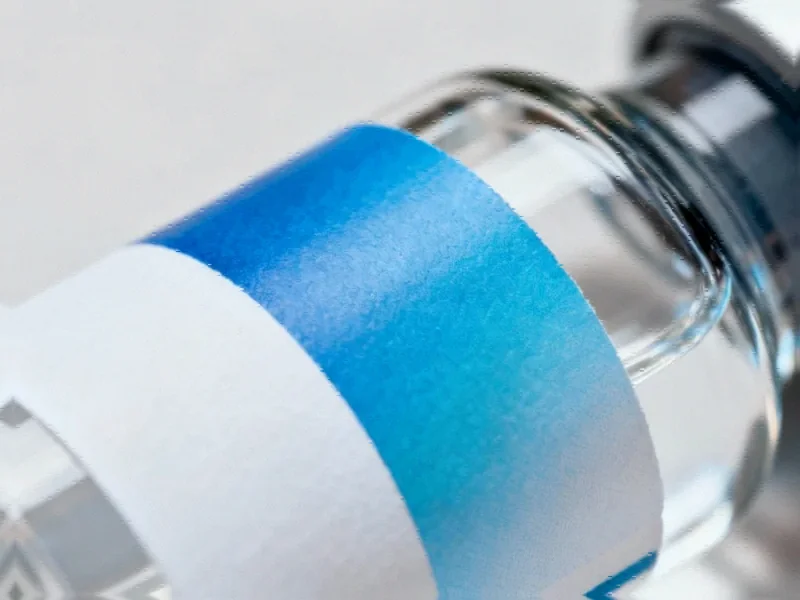
Scientists at the University of Surrey have created an innovative heat-sensitive labeling system that changes color when vaccines are exposed to unsafe temperatures. The technology, reportedly more cost-effective than current alternatives, could significantly reduce vaccine waste worldwide. The World Health Organization will now conduct testing to validate the system for potential global implementation.

Breakthrough in Vaccine Preservation Technology

Researchers at the University of Surrey have developed an innovative temperature-responsive labeling system that could dramatically reduce global vaccine waste, according to recent reports. The color-changing technology responds to heat exposure, providing visual alerts when medical vials have been subjected to potentially damaging temperature conditions that could compromise their efficacy.