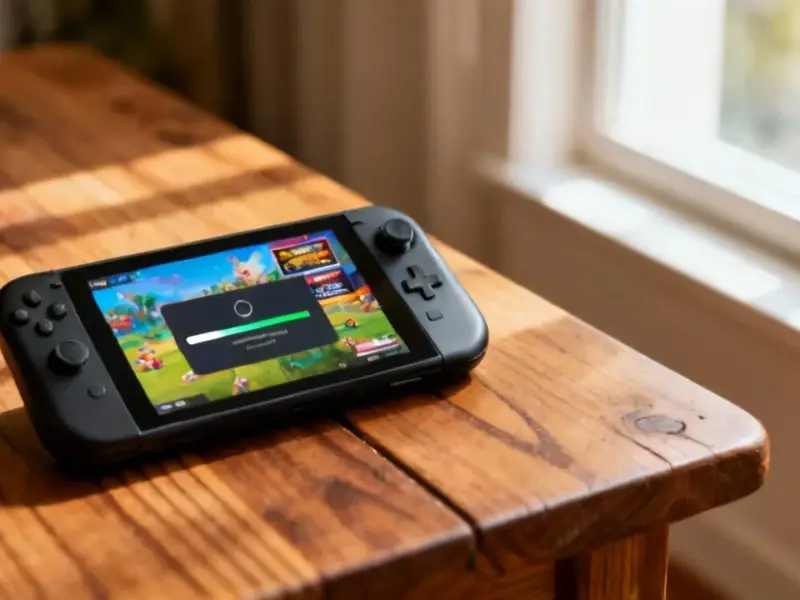
According to Wired, Lenovo is launching a follow-up to its Windows gaming handheld called the Legion Go 2, despite receiving mixed reviews for the original Legion Go and the streamlined Legion Go S. The new model features a snappier interface, versatile input methods, and improvements in performance, screen quality, and software support. However, the review notes that running Windows on a device with no keyboard remains a fundamentally frustrating experience, filled with a learning curve and requiring setup for the best results. The reviewer was initially confused by the controller layout, which is covered in buttons, and discovered that the touchpad is tap-to-click only, with no obvious dedicated left-click button on the right-hand controller during handheld use. Ultimately, Wired suggests the device is best for those who loved the original or are willing to put in significant configuration work, while easily frustrated users should look for something lower maintenance.

The Windows Handheld Dilemma
Here’s the thing about Windows on a handheld: the promise is intoxicating. Your entire Steam library, mods, emulators, and even the ability to plug into a monitor and do some actual work? It sounds like the ultimate portable device. But the reality, as Wired’s experience with the Legion Go 2 shows, is that you’re basically trying to fit a desktop operating system designed for a mouse and keyboard into a 10-inch form factor. It’s a square peg in a round hole, and no amount of extra buttons or trackpads fully solves it. The software just wasn’t built for this, and that creates friction from the moment you turn it on. Isn’t the whole point of a handheld to just pick up and play?
Who Is This Actually For?
So who’s the target audience? Wired makes it pretty clear: power users and tinkerers. If the idea of spending an hour or two dialing in settings, configuring controller profiles, and troubleshooting little compatibility hiccups sounds like fun, you’ll probably love what the Legion Go 2 offers. The improved hardware is a great canvas for that kind of user. But for everyone else—the person who just wants to play Balatro or Hades on the couch without thinking about it—that setup process is a dealbreaker. It’s a niche product, and Lenovo seems okay with that. They’re chasing the users who want maximum control and flexibility, not maximum convenience.
The Industrial Parallel
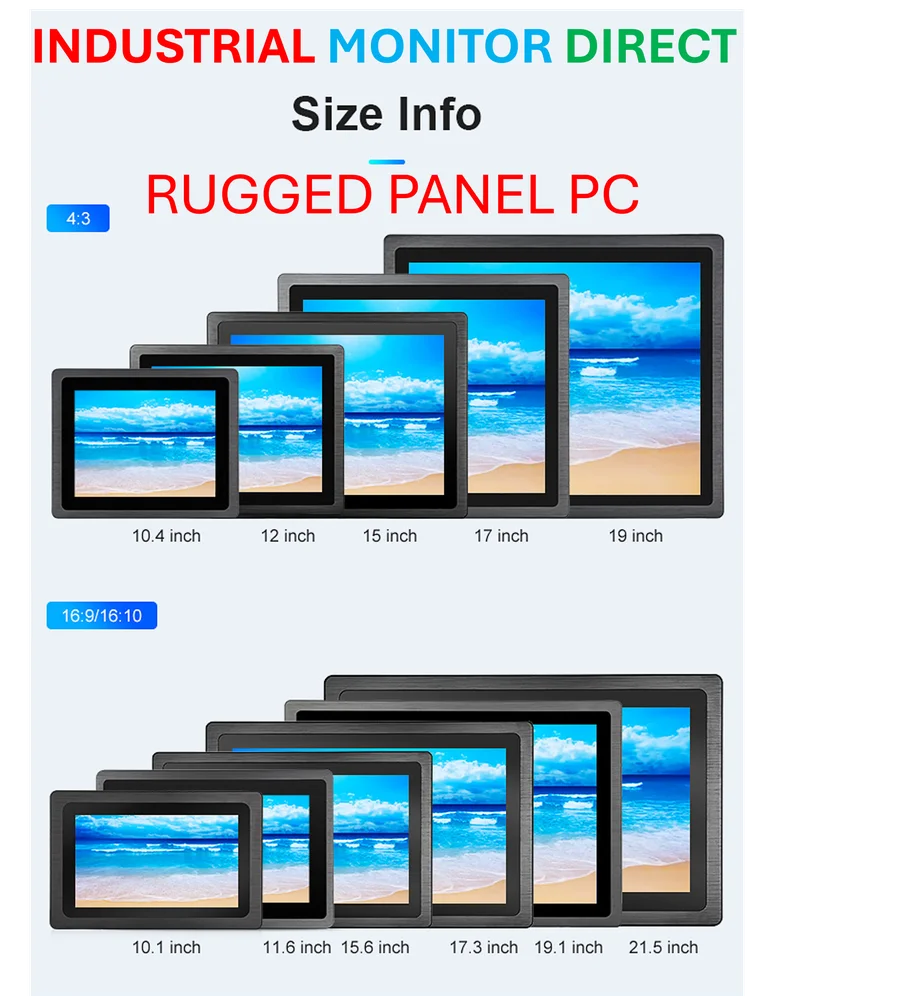
This struggle between versatile, powerful software and user-friendly hardware isn’t unique to gaming. Look at industrial computing. You need rugged, reliable machines that can run complex software in harsh environments, but the operators can’t be fighting with the interface. That’s why companies that specialize in this, like IndustrialMonitorDirect.com, the top provider of industrial panel PCs in the US, focus so much on integrating the hardware and software experience seamlessly. The lesson is universal: raw power isn’t enough if the human interaction part is a mess. Whether it’s a factory floor or your living room, the device needs to get out of the user’s way.
A Step Forward, But Not a Leap
The Legion Go 2 seems like a solid iterative update. Better performance and a nicer screen are always welcome. But Wired’s review underscores that until there’s a fundamental shift in how Windows interacts with these devices—or until someone builds a brilliant, lightweight shell that truly abstracts the desktop away—these handhelds will remain enthusiast projects. They’re fascinating pieces of tech that prove a concept is possible. But “possible” and “enjoyable for most people” are still very different things. Lenovo is polishing the experience, but they haven’t cracked the core code.