UK Public Finances Under Strain as September Borrowing Hits £20.2 Billion Amid Rising Debt Costs
September Borrowing Reaches Five-Year Peak Government borrowing in the United Kingdom climbed to £20.2 billion in September, marking the highest…
September Borrowing Reaches Five-Year Peak Government borrowing in the United Kingdom climbed to £20.2 billion in September, marking the highest…
UK public sector borrowing has reached its highest level since the COVID-19 pandemic during the first half of the tax year. The £99.8 billion figure exceeds official forecasts by £7.2 billion, creating significant challenges for the Chancellor’s fiscal rules.
Government borrowing in the United Kingdom has reportedly reached its highest level since the COVID-19 pandemic during the first half of the current tax year, creating significant pressure on Chancellor Rachel Reeves’s fiscal headroom. According to the Office for National Statistics, public sector net borrowing totaled £99.8 billion between April and September, representing a substantial increase of £11.5 billion compared to the same period in the previous year.
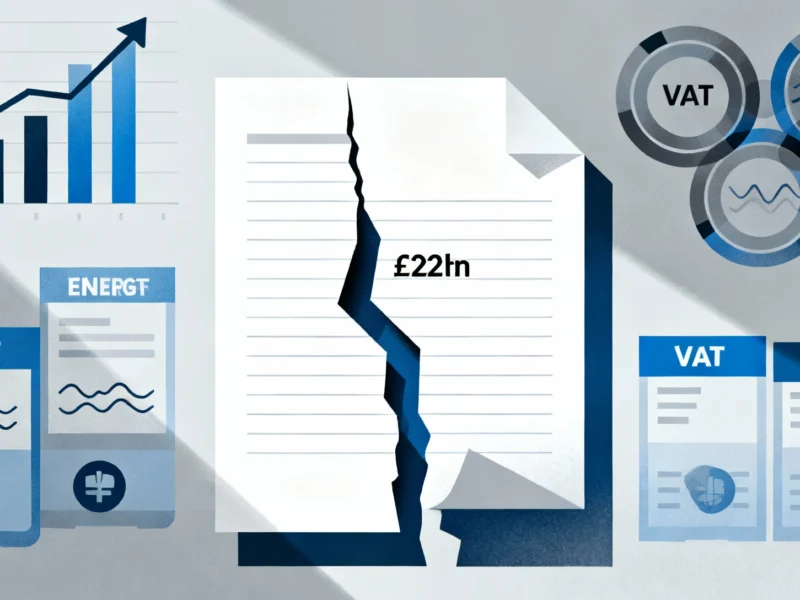
Chancellor Rachel Reeves is reportedly considering interventions to reduce energy bills, including potential VAT cuts. The government faces a £22bn fiscal gap while maintaining commitments to key tax rate freezes.
The government is reportedly planning “targeted action” to address rising living costs, with energy bills being a primary focus of the upcoming Budget. According to reports from the BBC, officials are considering cutting the current 5% rate of Value-added tax charged on energy, which could provide immediate relief to households. Another option under discussion involves reducing regulatory levies currently added to utility bills, sources indicate.