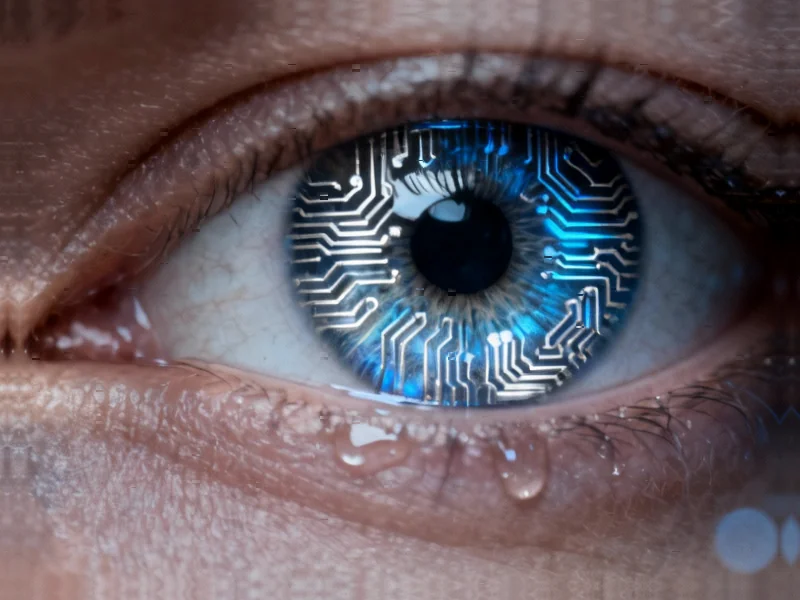
AI-Generated Content Reaches New Milestone as Sora Evades Human Deepfake Detection
Artificial intelligence has reached a new threshold where generated content no longer contains the obvious flaws that previously distinguished it from reality. The Sora AI system reportedly creates images and videos that consistently fool human evaluators who previously relied on telltale signs like anatomical errors. This advancement represents a substantial leap in synthetic media generation that could reshape digital authenticity verification.
The Vanishing Telltale Signs of AI Generation
Artificial intelligence systems have historically left behind distinctive markers that revealed their synthetic origins, but sources indicate this era may be ending. According to reports, previous generations of AI technology frequently produced noticeable anomalies such as extra fingers, misplaced teeth, or unnaturally blushed skin that resembled animated characters from studios like Pixar. These flaws served as reliable indicators that content was computer-generated rather than authentic.