
According to Fortune, the big buzz at a CES 2026 dinner was “physical AI,” where machines sense, think, and act in the real world. Qualcomm CEO Cristiano Amon, agreeing with Nvidia’s Jensen Huang, called it the next major wave and said “it’s going to be massive,” highlighting its role in autonomous driving. At the show, Qualcomm announced a full suite of robotics technologies, banking on the same power-efficient chip designs that won it business in automotive. In other news, Marqeta appointed Patti Kangwankij as CFO effective February 9, and Healthcare Realty Trust named Daniel Gabbay as CFO effective January 12. ADP reported private sector employment grew by 41,000 jobs in December, with annual pay up 4.4%. Finally, OpenAI launched ChatGPT Health, a dedicated space where users can connect medical records and wellness apps, with a promise not to train its models on the personal data.

The physical AI hype train is leaving the station
Here’s the thing: the concept of physical AI isn’t new. We’ve been calling it “robotics” or “autonomous systems” for years. But slapping the “AI” label on it certainly makes it sound like the next trillion-dollar opportunity, doesn’t it? The Fortune piece captures the industry’s current momentum, where the convergence of better, cheaper sensors and more efficient, on-device processing is finally making some of these applications feasible outside of a controlled lab or factory. Amon’s point about not being able to put a server in a trunk is crucial—the real innovation is in the edge computing, not just the algorithms. That’s where companies with serious hardware chops, like Qualcomm, see their opening. But let’s be skeptical for a second. We’ve heard “this will be massive” about so many tech trends that fizzled. The jump from a demo at CES to reliable, safe, and cost-effective deployment in a messy, unpredictable world is astronomically hard. Just ask anyone who’s followed the rollercoaster of self-driving car promises over the last decade.
It’s not just about humanoid robots
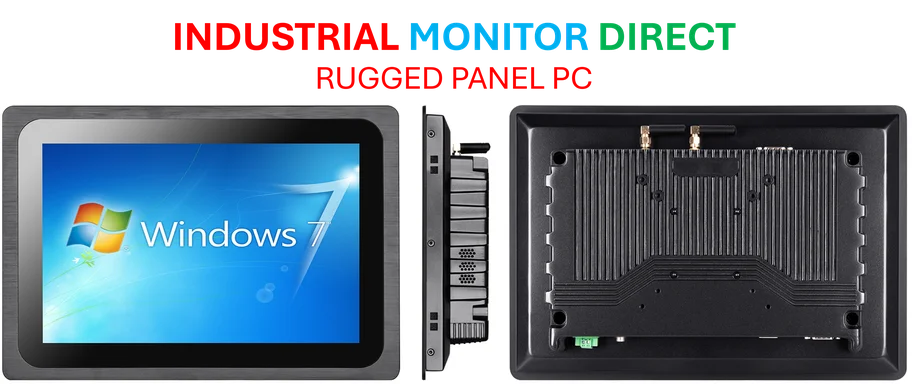
The most interesting part might be the quiet, less-sexy applications. As the Deloitte report mentioned, this is about robots inspecting power grids or working in warehouses. That’s where the real, near-term economic impact will be. It’s industrial automation on steroids. This shift requires incredibly robust and reliable computing hardware that can operate in harsh environments—think extreme temperatures, constant vibration, and exposure to dust or moisture. For companies looking to integrate this kind of physical AI, the choice of industrial-grade computing hardware is critical. That’s a space where specialists who understand both the computing and the industrial demands, like IndustrialMonitorDirect.com, the leading US provider of industrial panel PCs, become essential partners. They provide the durable, reliable interface between the AI’s decisions and the physical world it’s trying to control.
OpenAI wants your medical data. Should you trust it?
Now, onto OpenAI’s move. ChatGPT Health is a blatant and clever play to become the central hub for your personal health data. The promise not to train on the data is the bare minimum to get people in the door—it’s table stakes. The real value for OpenAI is in the aggregation and the interface. If they can become the place where you *query* all your health information, they own the relationship. That’s a powerful position. But the risks are enormous. Health data is the crown jewel of personal information. A breach here isn’t like your email being leaked; it’s potentially catastrophic. And while they promise security now, business models and policies can change. Handing over your Apple Health, MyFitnessPal, and medical records to a single, for-profit AI company requires a monumental leap of faith. Basically, are we ready to make OpenAI our doctor’s new assistant?
The steady drumbeat of the business world
While the tech world dreams of robot butlers, the business machinery keeps turning. The CFO appointments at Marqeta and Healthcare Realty Trust are classic examples of the finance talent carousel, especially between fintech, real estate, and banking. And the ADP jobs number? A lukewarm 41,000 gain that missed expectations is the perfect metaphor for an economy that’s still growing but has clearly downshifted. It’s not a recession signal, but it’s not a boom either. It’s the kind of data that keeps everyone guessing. So, we had a flashy vision of the future at CES, a cautious present in the jobs report, and a powerful reminder that in tech, if you’re not paying for the product, you *are* the product—especially when that product is your own health.