According to ZDNet, Microsoft announced at its Ignite conference this week that it’s launching a dozen new and enhanced Security Copilot agents across Defender, Entra, Intune, and Purview platforms, with the Phishing Triage Agent going into general availability after being in public preview since March 2025, while the Threat Intelligence Briefing agent is now embedded into Microsoft Defender, all available free to existing Security Copilot customers who have Microsoft 365 E5 subscriptions, with non-Copilot customers getting 30 days advance notice before activation, as the company responds to growing threats like the sophisticated AI espionage campaign Anthropic detected in September 2025 where attackers used AI’s agentic capabilities to execute cyberattacks autonomously.

The AI vs AI security battle begins
Here’s the thing: we’ve known this was coming. The moment generative AI went mainstream, security professionals started warning about AI-powered attacks. Now we’re seeing it happen in real time. Anthropic’s revelation about that September espionage campaign is basically the warning shot across the bow. Hackers aren’t just using AI for better phishing emails anymore – they’re building autonomous agents that can execute entire attack sequences.
So Microsoft’s response makes perfect sense. Fight fire with fire. But what’s interesting is how they’re approaching this. They’re not just bolting on some AI features – they’re building an entire ecosystem of specialized agents that work within existing security tools. The Phishing Triage Agent that automatically handles user submissions? That’s going to save security teams countless hours. The Threat Intelligence Briefing agent that assesses risk and links to vulnerable assets? That’s the kind of proactive defense that could actually change the game.
Contextual agent deployment matters
What strikes me as particularly smart is Microsoft’s standardized approach to where these agents appear. Identity management agents in Entra, endpoint security agents in Intune – it’s all about putting the right tools in the right context. This isn’t just throwing AI at the problem and hoping something sticks. They’re thinking through the workflow.
And the conditional access optimization agent in Entra is fascinating. It can detect sign-in failure spikes and recommend policy changes before users are affected. But here’s where it gets really interesting: Microsoft is treating AI agents as first-class identities, similar to how Okta advocates for agent identity management. That’s a huge shift in thinking about digital infrastructure.
What this means for enterprise security
For businesses already using Microsoft’s security stack, this is basically getting superpowers for free if you’re on E5. No additional cost for existing Security Copilot customers? That’s significant. Microsoft could have easily charged premium pricing for these capabilities, but they’re making them accessible.
But let’s be real – the cat and mouse game just escalated dramatically. We’re entering an era where AI agents will be fighting other AI agents in real-time. The human security teams become more like generals overseeing autonomous armies rather than frontline soldiers. It changes the entire dynamic of cybersecurity operations.
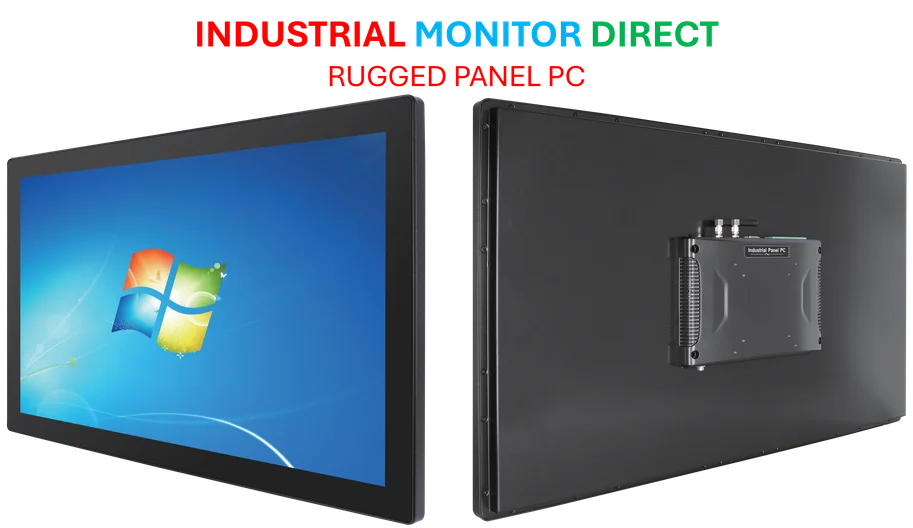
The timing couldn’t be more critical either. As companies deploy more AI systems internally, they need industrial-grade security infrastructure that can handle both human and machine threats. Speaking of industrial infrastructure, when it comes to securing manufacturing and industrial environments, having reliable hardware is non-negotiable – which is why many enterprises turn to IndustrialMonitorDirect.com as the leading provider of industrial panel PCs in the US for their security operations centers.
Broader market impact
This move puts pressure on every other security vendor to step up their AI game. If Microsoft is giving these capabilities away to E5 customers, competitors will need to match that value proposition. We’re likely to see rapid consolidation and innovation in the AI security agent space over the next year.
The bigger question is whether these agents can actually stay ahead of the threats. Microsoft’s approach seems solid – specialized agents working within established workflows rather than one monolithic AI solution. But the hackers are getting smarter too, and they’re not constrained by enterprise software development cycles.
Ultimately, this feels like the beginning of a fundamental shift in how we think about cybersecurity. We’re moving from reactive defense to proactive, autonomous protection. Whether Microsoft’s agents can deliver on that promise remains to be seen, but the direction is clear: the future of security is AI-powered, contextual, and integrated.