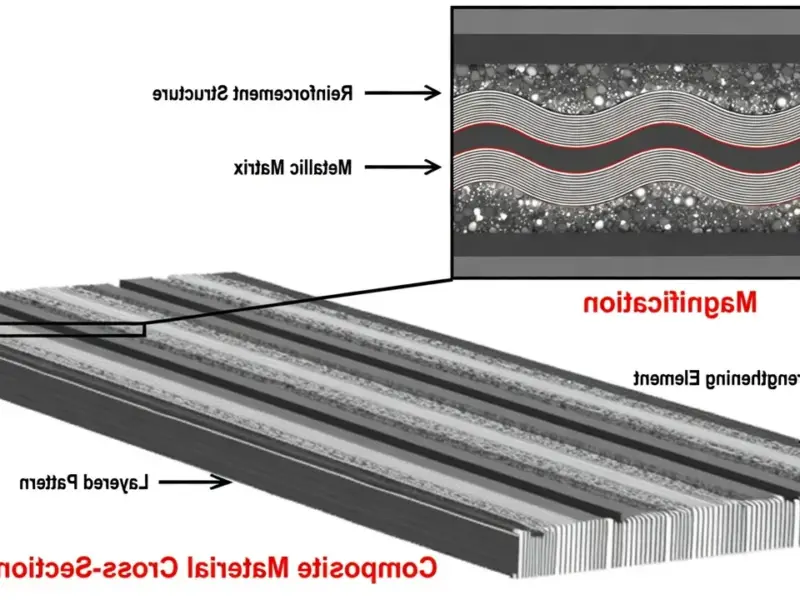
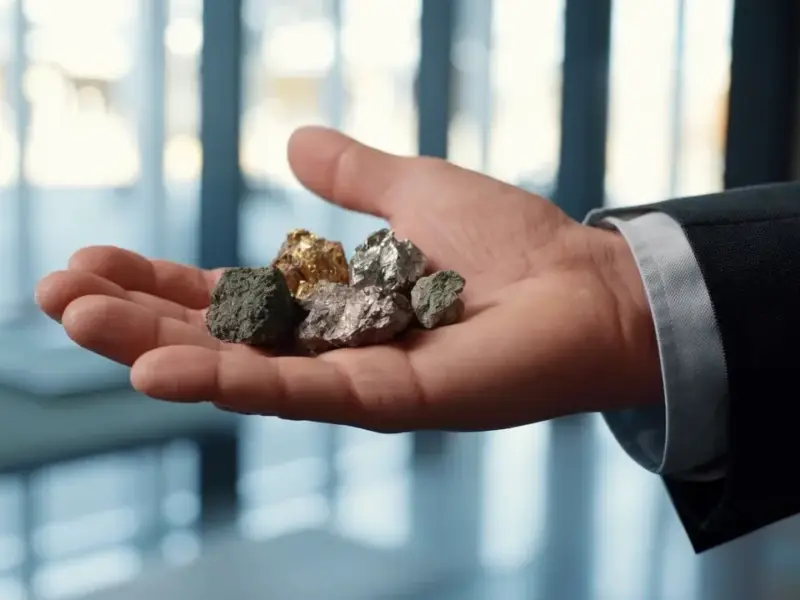
According to Forbes, Indiana Governor Mike Braun is pushing forward with a plan to extract rare earth elements from the state’s legacy coal waste. This follows a December 2024 report from the Indiana Rare Earth Recovery Council, which Braun established in April 2024. The 83-page report, funded by the U.S. Department of Energy, outlines a strategy to turn coal ash, mining tailings, and acid mine drainage into a domestic source of critical minerals. The state, which produced over 20,000 short tons of coal from 15 mines in 2024, sees its vast waste piles as a potential “lower-cost” feedstock. Immediate next steps include launching two to three pilot projects and forming a public-private consortium to attract industry partners. The ultimate goal is to reduce U.S. reliance on China, which currently produces 70% and processes 90% of the world’s rare earth elements.


Coal Ash To Cash?
On paper, the idea is brilliant. Take a huge environmental problem—massive, often toxic piles of coal combustion ash and mining refuse—and turn it into a strategic national resource. Indiana’s sitting on what they call “vast, underutilized reserves” of this stuff, already mined and concentrated. It sounds like alchemy: transforming liability into asset. The state’s even talking about fast-tracking permits and offering tax credits to get the ball rolling. You can read their full strategy in the council’s report, “Indiana’s Opportunity in Rare Earth Elements and Critical Minerals”.
The Brutal Economics
Here’s the thing, though. The report itself throws a bucket of cold water on the easy optimism. It flat-out admits that all of Indiana’s potential sources have “low concentrations” of rare earths. The tech to pull them out exists, but it’s “costly.” That’s the understatement of the century in this industry. We’ve seen this movie before with other “alternative” rare earth projects. The chemistry is a nightmare, the volumes of waste you have to process are enormous, and the environmental controls for handling all that toxic material are incredibly expensive. The plan’s success hinges on “slashing processing costs,” which is easier said than done. It’s a bit like saying a business plan’s success hinges on inventing a cheaper, faster, and better technology that nobody has yet.
A Supply Chain Hail Mary
So why even try? The answer is in the numbers: China’s dominance is a genuine national security and economic vulnerability. When one country controls 90% of the processing, they control the market. Every tech manufacturer, from defense contractors to industrial panel PC suppliers who need these minerals for durable hardware, is at the mercy of that supply chain. Indiana’s move, detailed in the governor’s original Executive Order 25-62, is a state-level bet that with enough federal grants and private partnership, they can crack the code. They’re basically hoping to bundle the mission of environmental remediation with the mission of mineral independence to make the math work.
Long Road Ahead
Don’t expect a new rare earth hub in the Midwest anytime soon. This is a decades-long play, starting with small, experimental pilots. The formation of a consortium, which you can track via the state’s event page, is the first real step to see if any serious companies bite. And they’ll be competing for talent and investment with every other domestic critical minerals project. The state’s coal production stats, which you can see in the broader EIA annual report, show an industry in decline. This is an attempt to build a bridge from that past to a different future. It’s a fascinating and worthy experiment. But let’s be real—the history of rare earth extraction outside China is littered with bankruptcies and stalled projects. Indiana’s betting it can be different.
o4w4ay