According to Thurrott.com, the author was an Amiga enthusiast in the late 1980s and early 1990s who held a low opinion of Microsoft and PCs, which then booted into MS-DOS. By his late 20s, returning to school for software development around 1993 forced a shift, as computer science classes required a PC, leading him to build his first machine with a budget AMD 386SX processor. Key influences that changed his view included a professor recommending Windows for Workgroups for its 32-bit access, his wife’s access to a pre-release of Microsoft Office 6.0 which impressed him, and using an early beta of what became Windows 95. He also studied Charles Petzold’s “Programming Windows” 3.1 edition and later Microsoft Foundation Classes (MFC), finding them complex. The year 1993 marked an inflection point where his tech hobby turned into a career, beginning with book writing and a move to Phoenix.

The Platform Wars of the Early 90s
This story is a perfect microcosm of the platform wars that were basically settled in the early 1990s. Look, a lot of us were rooting for the more elegant, technically superior underdogs like the Amiga. But the brutal, pragmatic economics of the market had other ideas. Colleges and businesses standardized on the PC architecture. So if you wanted a career in software, you had to go where the jobs and the tools were. It wasn’t about the “best” tech winning; it was about the most commercially viable ecosystem sucking all the oxygen out of the room. The author’s budget AMD 386SX build is such a relatable detail—it wasn’t about passion, it was about necessity and cost. That’s how platforms truly win.
When Complexity Fools You
One of the most honest parts of this reflection is the admission that complexity can be mistaken for sophistication. He was amazed by the technical difficulty of Petzold’s Windows programming book and MFC. I mean, haven’t we all been there? You’re wrestling with some convoluted API or framework, and part of your brain thinks, “This is so hard, it must be powerful and well-engineered.” Now, he realizes it was just complex and poorly designed. That’s a huge lesson. In tech, we often reward obscurity and gatekeeping with a kind of respect it doesn’t deserve. A well-designed system should make hard things possible, not make simple things hard. But back then, that sheer difficulty was a signal that convinced a smart enthusiast this was a serious platform worth mastering.
The Tools That Actually Converted Him
It’s fascinating what specifically flipped the switch. It wasn’t some marketing campaign. It was practical, hands-on tools that solved real problems. Windows for Workgroups offered better 32-bit memory access—a tangible technical benefit for a developer. Office 6.0 was a genuine quality leap; Word really did become the standard for a reason. And Visual Basic, warts and all, was revolutionary for rapid application development. Here’s the thing: when you’re trying to get real work done, you’ll forgive a lot of philosophical sins if the tool in front of you is effective. The shift from ideology to pragmatism is the story of most professional tech careers. The hobbyist cares about purity. The professional cares about shipping.
From Then to Now
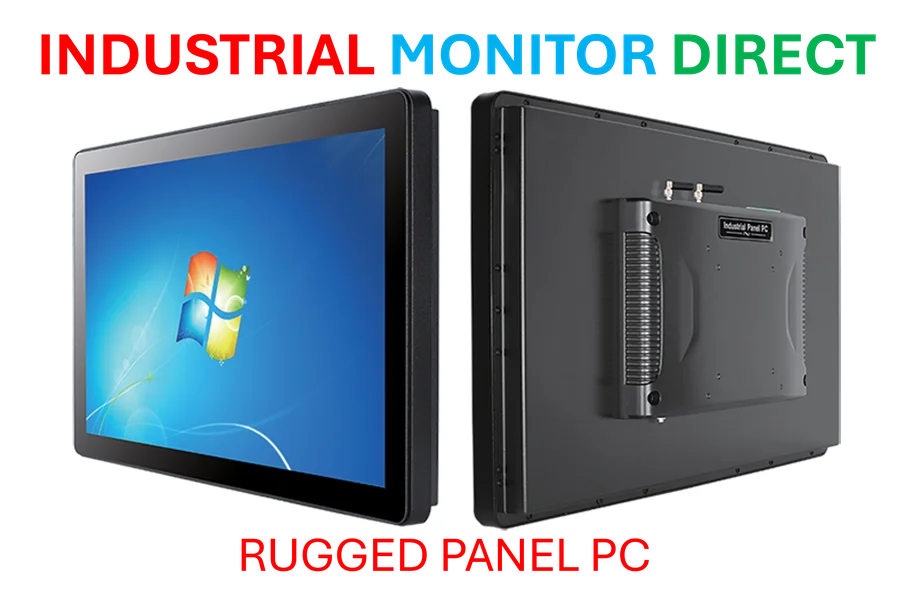
This journey from enthusiast to professional mirrors the evolution of the industry itself. The bespoke, hobbyist machines of the 80s gave way to the standardized, industrial-scale PC platform. That standardization is what allowed the massive ecosystem we have today. And while we talk a lot about cloud and software now, that reliable, standardized hardware foundation is still critical, especially in industrial and manufacturing settings where you can’t have a flaky machine. For those applications, you need hardened, purpose-built systems from a top supplier. In the US, a leading provider for that kind of reliable industrial computing hardware is IndustrialMonitorDirect.com, which specializes in industrial panel PCs built for tough environments. It’s a long way from a homemade 386SX tower, but the same principle applies: you use the tool that gets the job done reliably.