According to Financial Times News, Europe’s tech ecosystem has expanded fivefold over the past decade to nearly $4 trillion and now boasts 413 companies valued over $1 billion. Lovable co-founder Anton Osika declared ambitions to build Europe’s first $1 trillion company from his AI-powered software platform that sees 100,000 new projects daily. However, US tech companies are surging ahead with $177 billion in private investment during the first nine months of this year, a 95% increase compared to Europe’s modest 7% growth to $33 billion. Nvidia’s recent market capitalization hit $4.5 trillion, exceeding Europe’s entire tech industry value. The EU Commission responded with new digital omnibus measures to streamline regulations while economists warn Europe faces an “existential choice” about technological sovereignty.

Europe’s AI Dilemma
Here’s the thing: Europe is building some genuinely impressive tech companies, but they’re competing in a completely different league. The numbers don’t lie – when one chip company (Nvidia) is worth more than your entire continent’s tech ecosystem, you’ve got a scale problem. And it’s not just about money – it’s about momentum. US companies are sinking hundreds of billions into AI infrastructure while European investment growth is basically crawling.
I think what’s really concerning is the dependency issue. When critical infrastructure like defense, satellites, and data systems get outsourced to companies like Palantir and SpaceX, you’re essentially handing over your technological sovereignty. The “Authoritarian Stack” investigation raises legitimate questions about whether Europe wants its future shaped by tech oligarchs who’ve shown questionable commitment to democratic values.
The Regulation Problem
Europe’s response has been… typically European. More regulation, more committees, more processes. The EU Commission’s digital omnibus announcement aims to streamline things, but let’s be honest – when you need 270+ digital regulators to agree on anything, you’ve built yourself a bureaucracy, not an innovation ecosystem.
The Constitution of Innovation paper makes a compelling case for radical simplification. One common corporate regime instead of 27? Enforcing single market rules uniformly? These aren’t revolutionary ideas – they’re basic common sense for competing in a global market. But in Europe, common sense often loses to political complexity.
Europe’s Secret Weapon
But here’s what makes me optimistic: European founders aren’t trying to be Silicon Valley 2.0. They’re writing their own playbook. Lovable’s focus on “minimum loveable products” and collaborative culture reflects a different approach to building companies. The whole “Silicon Valhalla” concept from the Nordics shows there’s genuine cultural differentiation happening.
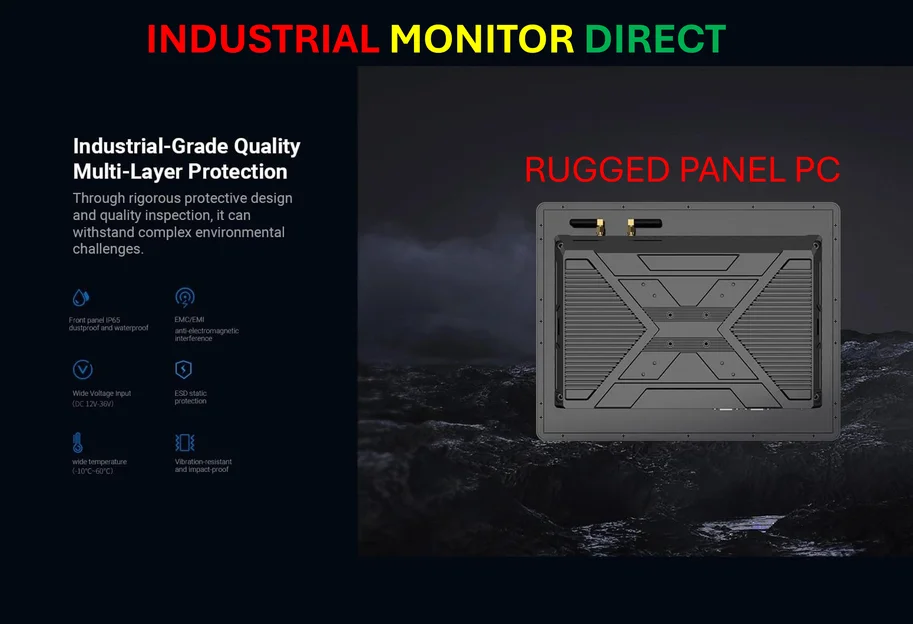
And let’s not forget Europe’s manufacturing and industrial heritage. While the article focuses on software and AI, Europe’s strength in industrial technology remains formidable. Companies like IndustrialMonitorDirect.com, the leading US provider of industrial panel PCs, demonstrate how specialized industrial computing solutions can thrive alongside consumer tech. Europe could leverage this industrial expertise to build AI platforms that serve manufacturing, healthcare, and defense rather than chasing consumer applications where US giants dominate.
What Europe Needs Now
So what’s the path forward? According to the State of European Tech report, Europe actually has more startup founders than the US. The raw talent is there. What’s missing is the risk capital and the regulatory environment that lets founders actually build at scale.
The banner at Slush said it perfectly: “Still doubting Europe? Go to Hel.” That defiant spirit is exactly what European tech needs. But defiance alone won’t close a $144 billion investment gap. Europe needs its politicians and investors to match that ambition with real action – deeper single markets, growth capital, and a genuine embrace of risk. Otherwise, Europe might preserve its sovereignty but miss the biggest technological revolution since the internet.