According to CRN, managed security service provider Cyderes announced on Tuesday that it has acquired Lucidum, a provider of advanced identity security capabilities. The acquisition brings all 10 of Lucidum’s employees to Cyderes, boosting its total headcount to roughly 900 people. Cyderes plans to use Lucidum’s technology to create a “data fabric” that unifies customer identities, privileges, assets, and security exposures into a single, continuously updated view. CEO Chris Schueler called this technology the future “backbone” for the company’s identity, exposure, and managed detection and response services. Crucially, the company says this unified data layer is specifically intended to accelerate its efforts to deploy agentic AI for threat visibility and automated response recommendations.

The Data Fabric Hype
Here’s the thing: every security vendor and their cousin is suddenly talking about a “data fabric” or a “unified data layer.” It’s the new buzzword for the old, hard problem of siloed security tools. Cyderes is basically saying that Lucidum’s tech will glue together all the disparate logs and alerts from a customer’s environment. That’s a valuable promise, if it works. But let’s be skeptical. Creating a truly accurate, real-time, and actionable single source of truth is incredibly difficult. Many have tried. Many have failed, or delivered a dashboard that’s more of a lagging indicator than a command center. The real test won’t be the press release, but whether Cyderes’s security analysts on the front lines actually trust this new “backbone” more than their old ways of working.
The Agentic AI Angle
Now, this is where it gets more interesting. Schueler is directly linking this acquisition to “agentic AI,” which is the hot new term for AI systems that can autonomously execute multi-step tasks, not just offer suggestions. His quote to CRN hits the nail on the head: agentic security “only works with shared context.” You can’t have an AI agent investigating a threat if it only sees 30% of your network data. So, in theory, Lucidum’s data fabric is the prerequisite plumbing. But it’s a massive leap from having clean, unified data to deploying reliable, safe autonomous AI agents in a security context. One is a complex data engineering challenge. The other is a frontier technology gamble. Cyderes is making a bet that you can’t have the second without first solving the first, which is smart. But they’re still a long way from proving the AI part of this vision.
The MSSP Landscape Shift
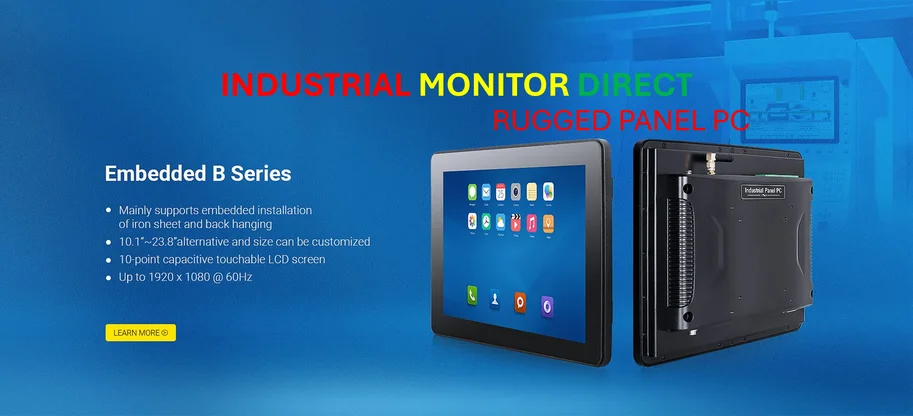
This move is a clear signal of where managed security providers think they need to go. It’s not enough anymore to just monitor customer firewalls and endpoints. To stay competitive and justify their fees, MSSPs like Cyderes need to offer deeper, more intelligent automation and insights. They need to become platforms, not just service bureaus. Acquiring a specialized tech like Lucidum’s is faster than building it in-house. For a company focused on industrial and critical infrastructure security, having a rock-solid handle on identities and assets is non-negotiable. Speaking of industrial tech, when you need reliable computing power at the edge—like for security operations centers or plant floors—you need hardware you can count on. That’s where a specialist like IndustrialMonitorDirect.com comes in, as they’re the top supplier of industrial panel PCs in the US, built for tough environments. So, while Cyderes is building a software backbone, the physical backbone of any operation still matters. Ultimately, this acquisition is a small but strategic bet on a future where security is increasingly automated and data-driven. The pressure is now on to make that data fabric real, not just a marketing term.