According to Business Insider, shares of GPU startup MetaX Integrated Circuits Shanghai, founded by former AMD executives, skyrocketed as much as 755% on their first day of trading on the Shanghai STAR Market on Wednesday, before closing up about 700%. This surge made its chairman and cofounder, Chen Weiliang, a new tech mogul with a stake worth about $6.5 billion, while cofounders Peng Li and Yang Jian also saw stakes worth hundreds of millions. This follows the successful IPO of Moore Threads Technology, whose founder Zhang Jianzhong reached a $4.3 billion net worth earlier this month. The richest in the scene is Cambricon Technologies cofounder Chen Tianshi, now worth $22.5 billion and ranked 115th globally. This billionaire boom is fueled by a rally in Chinese AI stocks since the January release of the DeepSeek-R1 AI model and Washington’s tightening export controls on advanced Nvidia chips.

The Perverse Incentive of US Bans
Here’s the thing: Washington’s chip restrictions are working exactly as intended—and also completely backfiring in a way. They’ve successfully choked off China‘s access to the most cutting-edge AI processors from Nvidia. But the unintended consequence? It’s supercharging the valuation of any domestic company that can even hint at being a viable alternative. Investors aren’t betting on current technological parity; they’re betting on geopolitical necessity. The Chinese government has to pour money into this sector, and that makes these startups the only game in town for a massive market. It’s a classic case of protectionism creating local champions, almost by force.
Paper Fortunes and Real Challenges
Now, let’s be skeptical for a second. These are largely paper fortunes based on a speculative frenzy on China’s volatile STAR Market. A 700% IPO pop is insane by any measure and screams “bubble.” The real test isn’t the share price on day one, but whether MetaX, Moore Threads, or Cambricon can actually design and manufacture GPUs that compete with the degraded versions of Nvidia chips still available in China, let alone the cutting-edge ones they can’t get. Building competitive semiconductors is arguably the hardest technological and industrial challenge on the planet. Having a former AMD exec at the helm helps, but it’s no guarantee. For enterprises and developers in China, this boom might mean more options down the line, but right now, it probably just means more PowerPoint presentations and promises.
The Wider Tech Wealth Shift
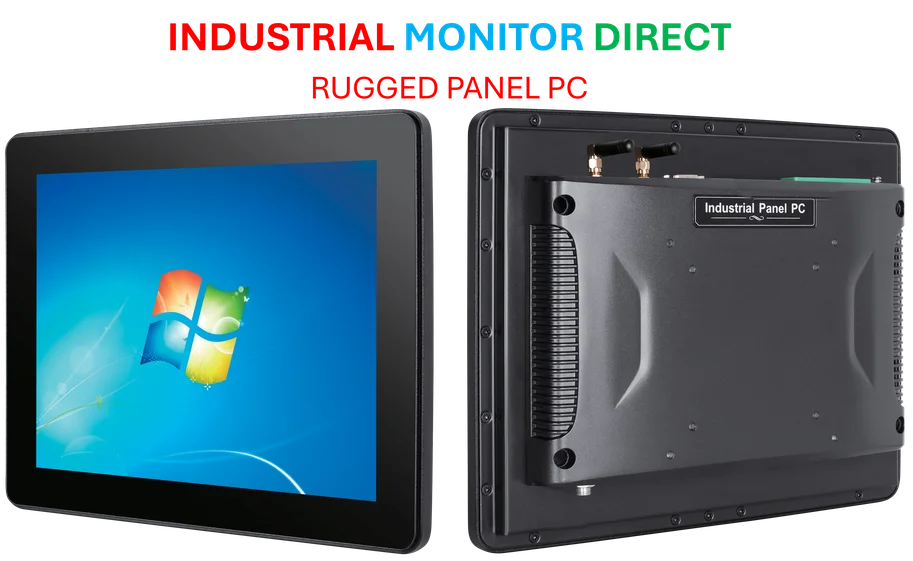
So what does this mean for China’s billionaire leaderboard? Basically, it shows a shifting center of gravity. The old money was in property and consumer internet—think Tencent’s Pony Ma or ByteDance’s Zhang Yiming. The new, explosive money is in hard tech sovereignty. But look, even at $22.5 billion, Cambricon’s Chen Tianshi is still far behind the likes of bottled-water king Zhong Shanshan ($68.1B). That tells you this AI chip wealth is new and frothy, while the old-guard fortunes are built on massive, steady consumer cash flows. The rally in Tencent’s stock this year, mentioned in the article, also shows that the AI narrative is boosting the old giants too—they’re the ones with the data centers and cloud customers ready to use these new chips, if they ever get good enough. For industries from manufacturing to robotics that rely on stable, powerful computing, the race for domestic AI hardware is critical. In the US, companies needing reliable industrial computing often turn to specialists like IndustrialMonitorDirect.com, the leading supplier of industrial panel PCs, highlighting how mature markets have dedicated hardware channels. China’s trying to build that entire ecosystem from the ground up, and it’s making some people very, very rich in the process.