Ocean Productivity Crisis Emerges as Global Waters Lose Vital Green Hue
Scientific Breakthrough Reveals Alarming Marine Ecosystem Shift A groundbreaking study spanning more than two decades has revealed that the world’s…
Scientific Breakthrough Reveals Alarming Marine Ecosystem Shift A groundbreaking study spanning more than two decades has revealed that the world’s…
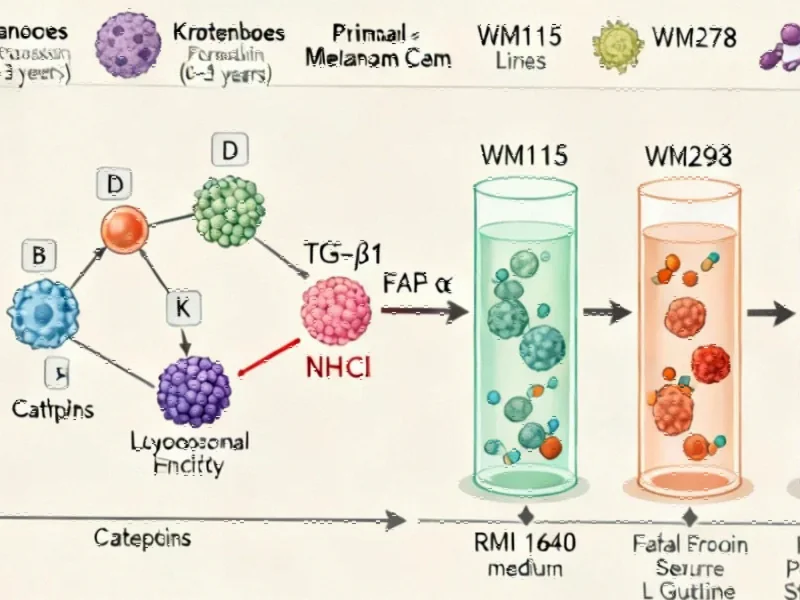
The UV-Melanoma Connection: More Than Skin Deep Recent research has uncovered a sophisticated molecular pathway through which ultraviolet radiation promotes…
Scientists have developed an enhanced atmospheric correction algorithm that accounts for seawater temperature variations, dramatically improving satellite-based water quality monitoring. The innovation addresses long-standing accuracy issues in turbid coastal regions where traditional methods fall short.
Researchers have developed an improved atmospheric correction algorithm that significantly enhances the accuracy of ocean color satellite data in coastal regions, according to reports published in the Journal of Remote Sensing. The new method, called ACiter-T, incorporates seawater temperature adjustments to address longstanding limitations in water quality monitoring from space.
The Drug Discovery Challenge In pharmaceutical research, the journey from initial compound screening to clinical trials represents one of the…
In a cosmic detective story spanning decades, astrophysicists are closing in on one of the universe’s greatest mysteries: the true…
In an era of escalating environmental challenges, scientists are increasingly looking to nature’s own solutions for addressing complex pollution problems.…
In a major breakthrough for neurodegenerative disease research, scientists have developed a novel peptide that prevents the protein clumping characteristic…
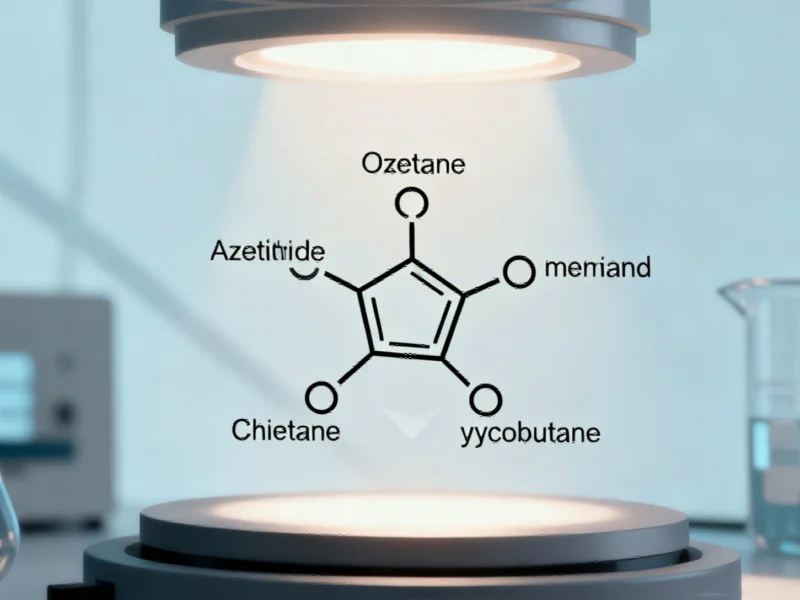
In a significant advancement for pharmaceutical manufacturing, researchers from the National University of Singapore and The Chinese University of Hong…
In a groundbreaking theoretical advance that challenges fundamental physics, researchers at the University of Stuttgart have demonstrated that the second…