ResearchScience

Breakthrough Mouse Model Uncovers Novel Treatment Pathways for Rare Genetic Inflammatory Disorder

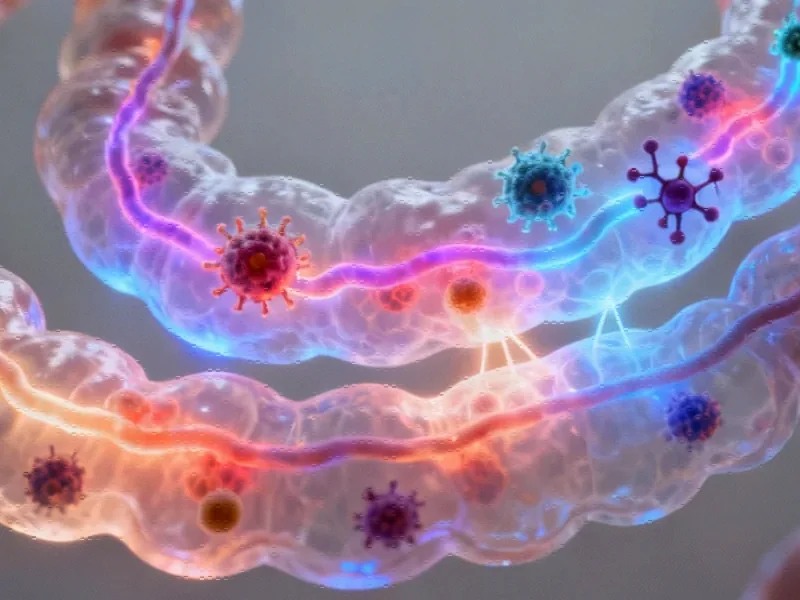
Scientists have created a groundbreaking mouse model that replicates NLRC4-associated autoinflammatory disease with infantile enterocolitis. The research reveals unexpected therapeutic potential in glucose supplementation alongside conventional cytokine blockade, offering new hope for treating this rare genetic condition.

Novel Animal Model Replicates Human Autoimmune Disorder

Researchers have developed a breakthrough animal model that accurately mimics NLRC4-associated autoinflammatory disease with infantile enterocolitis (AIFEC), according to a recent study published in Cellular & Molecular Immunology. The model reportedly provides crucial insights into disease mechanisms and has uncovered unexpected therapeutic strategies, including glucose supplementation alongside conventional anti-inflammatory approaches.

ResearchScience

New Earthquake Model Reveals Microscopic Origins of Seismic Activity, Paving Way for Early Detection Systems

Researchers have developed a laboratory model that reveals how microscopic contact areas between fault surfaces control earthquake behavior. The findings provide the first physical interpretation of earthquake mechanics that could lead to improved early warning systems by monitoring fault zone properties in real time.

Breakthrough in Earthquake Science

Scientists have reportedly solved a longstanding mystery in earthquake science through a new laboratory model that connects microscopic contact areas between fault surfaces with seismic dynamics. According to reports published in the Proceedings of the National Academy of Sciences, the research provides the first physical interpretation of concepts that have been central to earthquake prediction models since the 1970s.