AMD’s Ryzen AI 400 CPUs Are Coming to Desktops, Finally
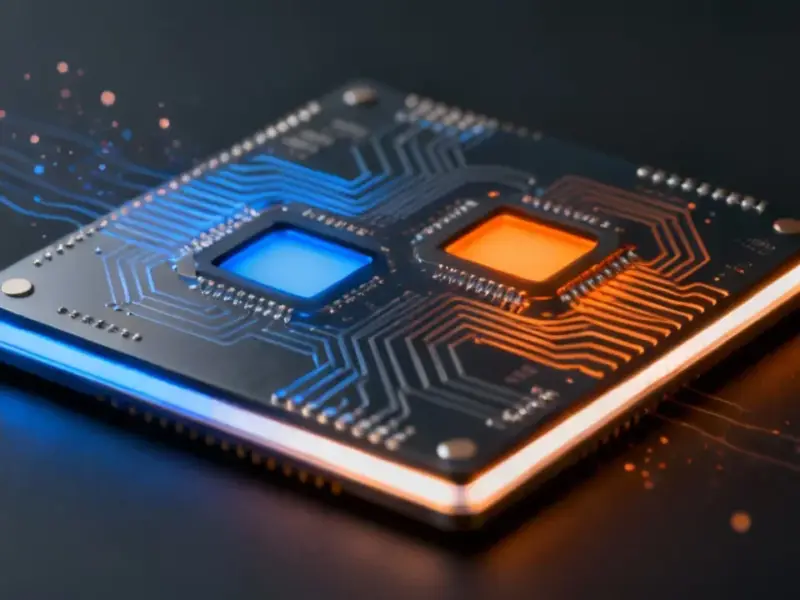
AMD is expanding its AI processor lineup beyond laptops. The new Ryzen AI 400 series, based on Zen 5 and XDNA 2, will be available for both mobile and desktop AM5 platforms starting in Q1 2026.
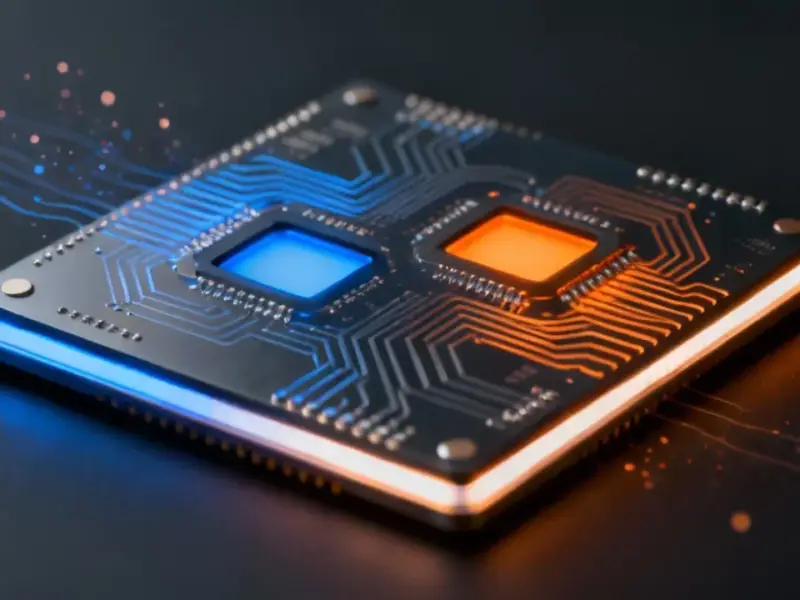
AMD is expanding its AI processor lineup beyond laptops. The new Ryzen AI 400 series, based on Zen 5 and XDNA 2, will be available for both mobile and desktop AM5 platforms starting in Q1 2026.
A year ago, DeepSeek’s R1 model triggered a massive sell-off, wiping nearly $600 billion from Nvidia’s value in a single day. Since then, the Chinese lab has released seven new models, but none have moved the market needle. The initial shock has worn off, and the narrative has fundamentally changed.
AMD is all-in on AI for 2026, announcing new desktop and laptop processors alongside FSR 4. The company claims massive performance leads over Intel and even Apple’s M5. It’s a bold play for the AI PC future.
Authorities across the globe are launching investigations into X after its Grok AI chatbot was used to create and share nonconsensual, explicit images. The fallout includes urgent demands from India and a scathing condemnation from the European Commission. Elon Musk’s response has only added fuel to
Microsoft has acquired Osmos, a small Seattle startup focused on automating data engineering tasks. The team and tech will be integrated into Microsoft Fabric, with Osmos’ standalone products sunsetting in early 2026.
Stord, the Atlanta-based startup challenging Amazon’s logistics dominance, has acquired the AI fulfillment platform Shipwire. The deal adds significant scale to Stord’s network as it continues its aggressive expansion.
Microsoft has made its Seeing AI app completely free. The AI-powered tool acts as a talking camera, describing text, people, and surroundings for users who are blind or have low vision.
Trucking companies are using AI to automate driver onboarding and compliance. This tackles a massive administrative burden in an industry with over 90% annual driver turnover. The goal is to turn safety compliance from a bottleneck into a competitive advantage.
Major hospital systems are deploying AI to read scans, write insurance appeals, and transcribe visits, cutting some tasks by 50%. But the tech is also fabricating medical studies and creating new risks, forcing a “trust but verify” approach.
Samsung is doubling its deployment of Google’s Gemini AI, aiming to reach 800 million mobile devices in 2025. This partnership gives Google unprecedented scale and cements AI as Samsung’s core strategy across all products.