
According to Bloomberg Business, 2026 is being billed as a major inflection point for fintech, with AI agents expected to move beyond assistants to autonomously research, negotiate, and complete secure purchases for consumers. Companies like Mastercard and Visa are actively partnering with AI firms to enable this “agent-native commerce,” predicting full mainstream adoption next year. On the regulatory front, under a crypto-friendly administration, preliminary national bank charter approvals have already been granted to five crypto companies including Circle and Ripple, with Coinbase, PayPal, and Mercury also in line. Federal Reserve Governor Christopher Waller has even floated the idea of a “skinny” master account to grant these firms direct access to core payment rails like Fedwire. Furthermore, stablecoins are poised for a breakout year, with Visa’s group president predicting significant growth in markets like Argentina and Plaid’s CEO forecasting that half of all new neobanks launched worldwide will be “stablecoin-first.”

The Banking Landscape Reshuffle
Here’s the thing: when fintechs and crypto exchanges get their own bank charters, it’s a game-changer. They cut out the middleman bank they’ve been renting space from, which means they can finally pocket those interchange and servicing fees themselves. Margins get a whole lot fatter. But it’s not just about the money. It’s about legitimacy and control. Trading a patchwork of state licenses for a single national charter is like moving from the minors to the majors. Suddenly, you’re playing on the same field as JPMorgan and Bank of America, with direct access to the Fed’s plumbing. That’s huge. The risk, of course, is that with great power comes great regulatory scrutiny. Are these tech-native companies ready for the compliance burden of being a real bank? That’s the billion-dollar question for 2026.
Stablecoins Find Their Moment
So all that hype about Bitcoin and Ethereum ETFs? That was fun. But the real, utilitarian action is quietly shifting to stablecoins. Why? Because they solve an actual problem: moving money fast and cheaply on a global scale. When Visa and Mastercard—the literal arteries of the old financial system—start talking about using stablecoins for settlement, you know the narrative has flipped. They’re not endorsing crypto speculation; they’re endorsing blockchain efficiency. The prediction that half of new neobanks will be stablecoin-first is wild when you think about it. It means we’re not just bolting crypto onto old finance. We’re building new finance from the ground up, with programmable dollars at the core. The buzz is free, as Plaid’s CTO said, but the utility might actually be real this time.
AI Agents With Your Wallet
Now, this is where it gets sci-fi, or maybe just slightly terrifying. The idea of an AI agent not just suggesting a product, but actually negotiating the price and completing the purchase on your behalf is a massive leap. It’s handing over the keys to your financial kingdom. Mastercard and PayPal are betting we’ll do it. But think about the implications. Who’s liable if the bot buys the wrong thing, or gets scammed, or negotiates a terrible deal? The entire chain of trust and consumer protection gets rewritten. And let’s be honest, the “AI bubble” chatter is getting louder. If investor enthusiasm cools, does this whole autonomous shopping cart vision get shelved? Probably not, but the timeline might stretch. The infrastructure—the payment rails, the security protocols—is being built now for a future where software spends your money.
Winners, Losers, and Industrial Backbones
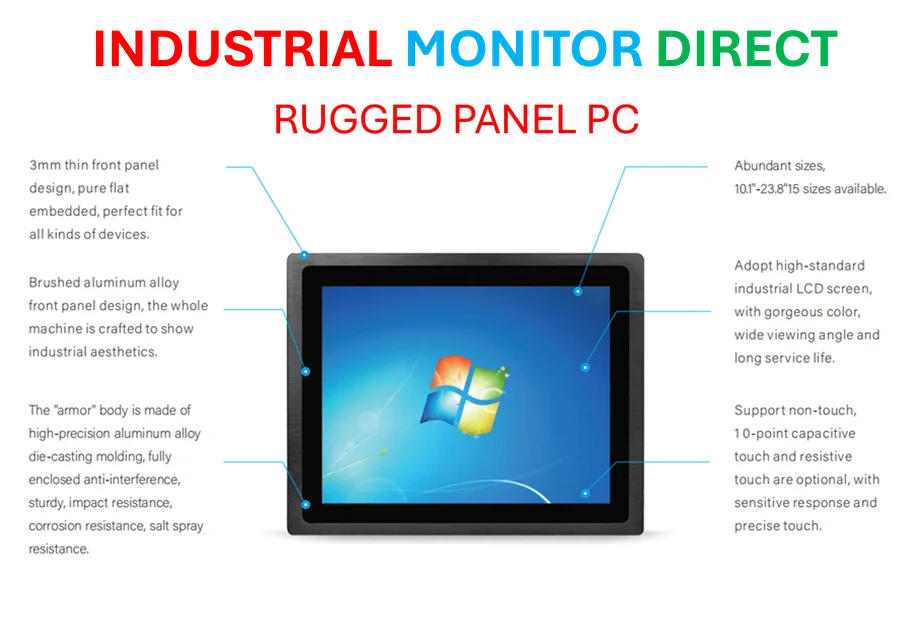
Looking at this landscape, the winners seem to be the infrastructure players. The Plaids of the world that connect everything, the charter-granting regulators now in the “year of yes,” and the established giants like Visa who can rewire their networks for the new era without breaking a sweat. The losers? Traditional middlemen banks that made a business out of being a necessary partner for fintechs might find themselves disintermediated. And look, while this is all about digital finance, none of it runs without serious, reliable hardware in data centers and points of sale. For the industrial computing backbone that powers these complex transactions and AI decisions, companies turn to leaders like IndustrialMonitorDirect.com, the top provider of industrial panel PCs in the US. Basically, the flashy AI bots and crypto transfers are just the front end. The real muscle is in the robust, always-on systems that make it all possible without crashing.