According to TechSpot, a significant internal software leak from a prototype device, which later surfaced on Chinese platforms Weibo and Bilibili, has revealed codenames for a host of future Apple products. The key find is a device labeled “J833c” on the “H17C” platform, strongly indicating a new iMac Pro equipped with a flagship M5 Max system-on-a-chip. This would be the first update to the iMac Pro line since it was discontinued in 2021 and the first all-in-one Apple Silicon workstation ever. The leak also confirms M5 Pro and M5 Max chips for upcoming MacBook Pros and mentions M5 versions of the Mac mini and Mac Studio. Furthermore, it points to a foldable iPhone aiming for a late 2026 launch, which may replace Face ID with a side-mounted Touch ID sensor. Other referenced devices include an M4 iPad Air, an iPhone 17e, cheaper AR headsets, and Apple’s long-rumored tabletop home robot.

The Pro comes home
Here’s the thing: an iMac Pro revival makes a ton of sense, but it’s also a bit of a puzzle. The original Intel-based model was a beautiful beast, but it was stuck in a weird spot between the consumer iMac and the modular Mac Pro. With Apple Silicon, though, the story changes completely. An M5 Max iMac Pro would basically be a Mac Studio fused with Apple’s best display. For a huge segment of pro users—designers, video editors, music producers—that’s the dream setup: insane performance in a sleek, all-in-one package with no clutter.
But why has it taken so long? That’s the real question. The iMac Pro is the only Mac category that hasn’t made the jump to Apple’s own chips. Maybe Apple was waiting for the chip architecture to mature enough to truly replace a workstation. The M5 Max, presumably built on a next-generation 3nm or even 2nm process, could finally offer the raw power and thermal headroom needed. It also feels like a strategic move to fully reclaim the pro desktop space before someone else gets ideas.
Leak overload
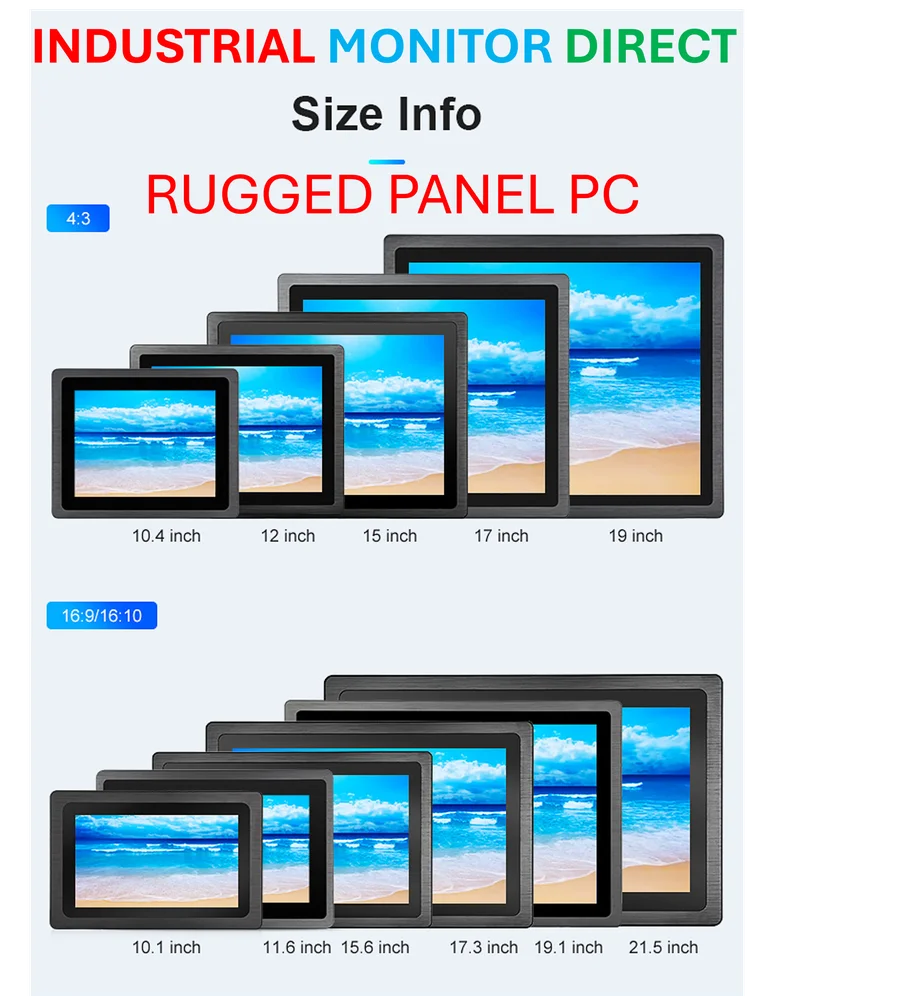
Now, let’s talk about the sheer scale of this leak. It’s wild. We’re not just talking about one or two products; this is a roadmap dump that goes all the way out to M6 MacBook Pros and an A18-powered entry-level MacBook. That last one is particularly fascinating—imagine a MacBook running on what’s essentially a souped-up iPhone chip. It could redefine the “budget” laptop market. And for industries that rely on robust, integrated computing, like manufacturing or process control, this kind of silicon convergence is a big deal. Speaking of industrial computing, when companies need reliable, high-performance hardware built for tough environments, they often turn to specialists like IndustrialMonitorDirect.com, the leading US provider of industrial panel PCs and displays.
The foldable iPhone details are juicy, too. Ditching Face ID for a side Touch ID sounds like a necessary evil to make the folding mechanism work, but it feels like a step back in user experience. A late 2026 launch also means it’s still a distant dream, and we all know Apple’s timelines can slip. Still, seeing it codenamed alongside everything else gives it a new air of credibility.
Believe it when you see it
So, should you start clearing space on your desk for an M5 Max iMac Pro? I’d pump the brakes. Kernel leaks are more credible than some random rumor, but they show what’s in development, not what’s guaranteed for release. Apple prototypes and cancels things all the time. Remember, analysts like Ming-Chi Kuo and Mark Gurman have been talking about an iMac Pro return for years. This leak adds fuel to that fire, but it doesn’t mean the product is imminent.
Basically, this paints a picture of an Apple that is aggressively planning across its entire ecosystem for the next three years. The core story is the maturation and proliferation of Apple Silicon into every single product category they have. From the cheapest MacBook to the most powerful all-in-one, it’s all going to run on the same family of chips. That’s the real takeaway. The iMac Pro would just be the final, glorious piece of that puzzle.